
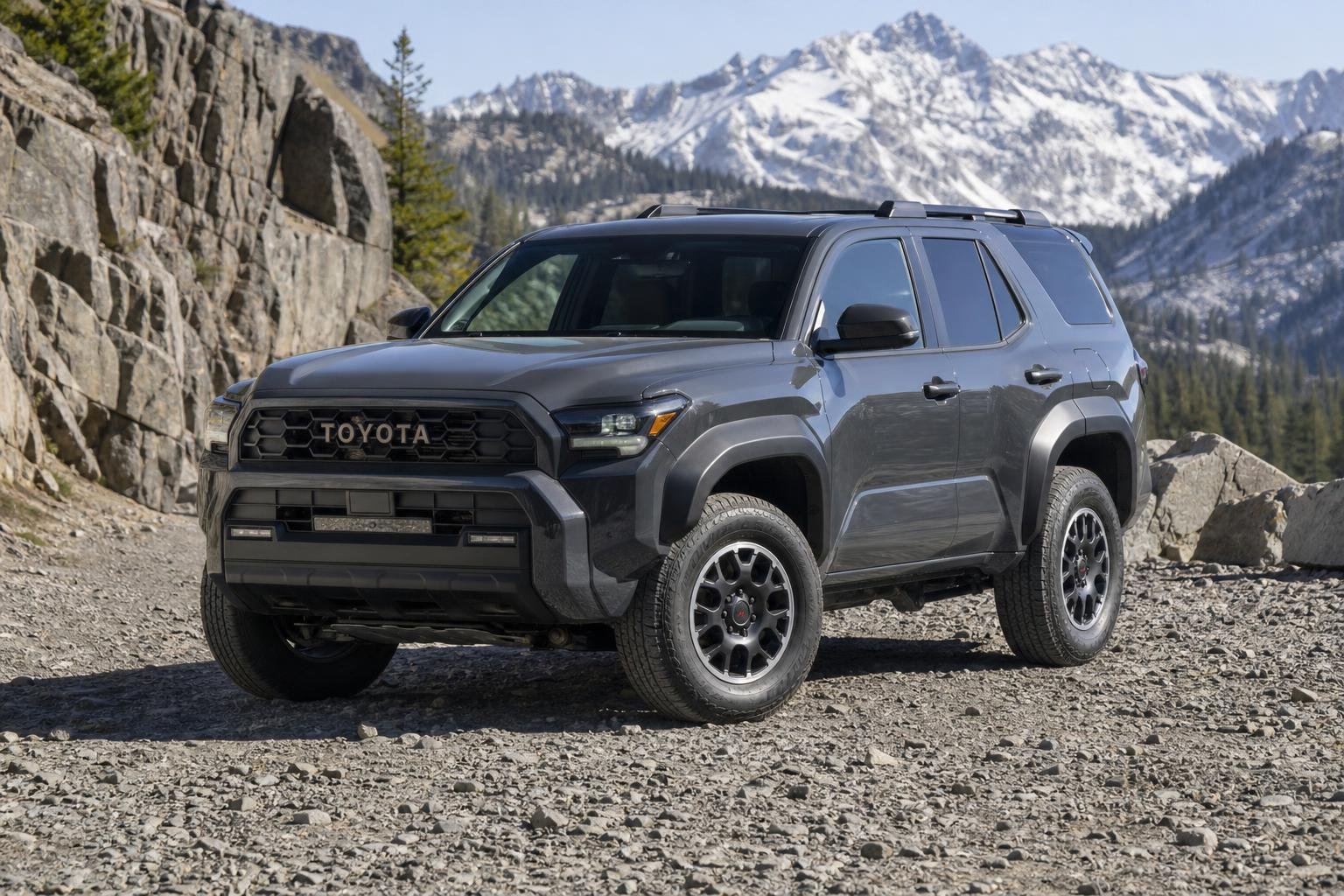

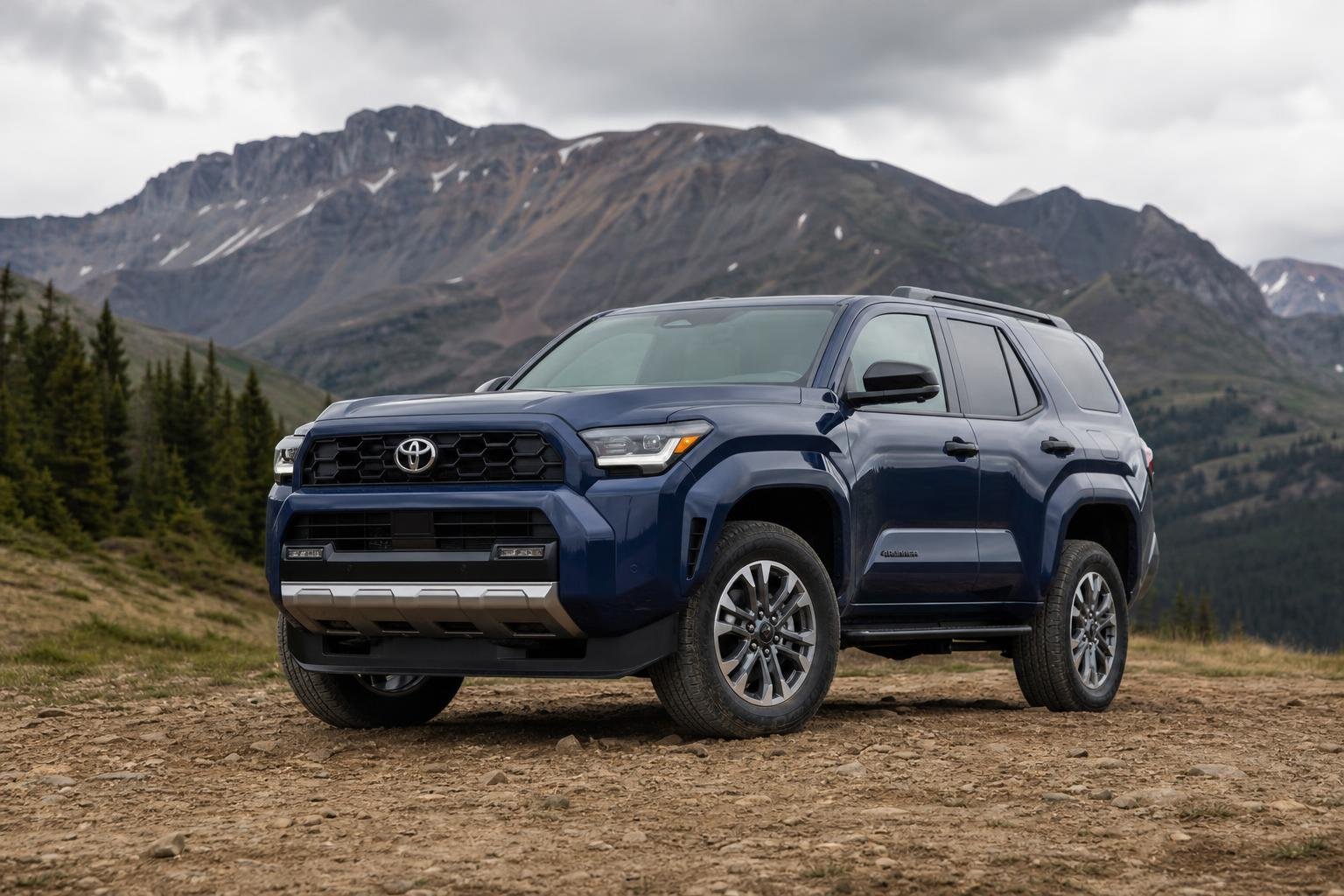
Toyota is making the 2027 4Runner more comfortable in its most affordable form, but shoppers will pay for the upgrade. The entry-level SR5 now carries a $43,490 MSRP before destination, or $45,085 with Toyota’s $1,595 delivery charge. That is a $1,220 increase over the previous model year and the first time the 4Runner SR5 has crossed the $45,000 mark on the window sticker.
The price increase is not simply an adjustment to the paperwork. Heated front seats are now standard across the 2027 4Runner lineup. Eight-way power-adjustable driver and front-passenger seats are standard on the SR5, TRD Sport and TRD Off-Road. Toyota is also making smaller appearance and equipment changes elsewhere in the lineup.
The SR5 Gains Features Many Buyers Actually Use
The new standard seats are the most meaningful change for everyday drivers. Heated seats are hardly an off-road necessity, but they are useful during winter commutes, road trips and short drives when warming the entire cabin would take longer. Power adjustment can also make it easier for multiple drivers to find a comfortable position.
Previously, shoppers seeking heated front seats had to move beyond the base SR5. That made the feature part of a more expensive trim decision rather than a simple comfort upgrade. Toyota’s decision to include it at the bottom of the range makes the 4Runner feel less like a stripped-down utility vehicle, even as its price moves further away from the mainstream midsize-SUV market.
The SR5 still provides the underlying hardware that defines the current-generation 4Runner. It uses Toyota’s turbocharged 2.4-liter four-cylinder engine, an eight-speed automatic transmission and the company’s body-on-frame TNGA-F architecture. Rear-wheel drive is standard in the applicable configuration, while four-wheel drive costs an additional $2,000 on the SR5 and select other grades.
Powertrains Remain Familiar
The standard i-FORCE powertrain produces up to 278 hp and 317 lb-ft of torque. That output comes from a relatively small turbocharged engine rather than the larger naturally aspirated engines used in older 4Runner generations. The turbo-four’s torque delivery is better suited to modern daily driving and gives the SUV useful low-end response without abandoning its truck-based construction.
Buyers who want more output can choose Toyota’s i-FORCE MAX hybrid powertrain on eligible trims. It combines the turbocharged engine with an electric motor for up to 326 hp and 465 lb-ft of torque. Toyota says the hybrid 4Runner is rated at an estimated 23 mpg combined on applicable models, though the powertrain’s more immediate torque may be just as relevant to drivers who tow, carry equipment or tackle steep terrain.
Hybrid pricing begins at approximately $55,945, placing the i-FORCE MAX about $10,000 above the base SR5. That is a substantial jump, so the hybrid is not an automatic value choice. It makes more sense for buyers who specifically want its additional performance, available equipment or efficiency advantage rather than simply seeking the least expensive 4Runner.
Price Increases Vary Across the Lineup
The SR5 absorbs the largest increase, but it is not the only trim affected. Toyota has raised prices across the 2027 lineup. Most grades increase by roughly $200, according to Car and Driver, while the TRD Sport, TRD Off-Road and hybrid TRD Off-Road each rise by $870.
The hybrid Platinum sees a smaller but still notable $490 increase. Since Toyota offers the 4Runner in a wide range of configurations, the final price difference depends on whether a buyer chooses two-wheel drive, part-time four-wheel drive, full-time four-wheel drive or the hybrid powertrain. Destination charges and dealer-installed equipment can push the transaction price higher still.
This makes the base price useful as a starting point, but not a complete picture of what many buyers will pay. A shopper who wants four-wheel drive for snow or trail use will not be looking at the same price as someone choosing the entry configuration with rear-wheel drive. The model’s broad capability range is a strength, but it also makes trim comparisons more complicated.
Small Changes Give Upper Trims More Identity
The 2027 updates also give Toyota’s more specialized trims a few new details. The TRD Pro adds standard red front tow hooks and offers an exclusive Hot Honey exterior color for an additional $695. The tow hooks are both functional recovery points and a visual signal that the TRD Pro is designed around aggressive off-road use.
At the other end of the lineup, the Platinum receives standard puddle lamps that project the 4Runner logo onto the ground when the front doors open. It is a cosmetic feature, but it fits the Platinum’s more upscale positioning. Toyota is also renaming its Black exterior color “Inked” across the lineup, with no stated price difference.
The broader 4Runner range continues to separate itself by intended use. TRD Sport emphasizes on-road styling and handling, TRD Off-Road adds trail-focused equipment such as Multi-Terrain Select and Crawl Control, and the TRD Pro and Trailhunter serve buyers who want more specialized off-road hardware. Depending on trim, Toyota offers features including a locking rear differential, all-terrain tires, skid plates and a Stabilizer Disconnect Mechanism.
Safety and Utility Stay Central to the Formula
Every 2027 4Runner includes Toyota Safety Sense 3.0. The suite includes features such as adaptive cruise control, lane-departure alert with steering assistance, automatic high beams, road-sign assist and a pre-collision system with pedestrian detection. These systems are designed to reduce driver workload, but they do not replace attentive driving.
The 4Runner also retains practical features that distinguish it from many car-based SUVs. Available third-row seating allows space for up to seven occupants on certain configurations, while the signature power rear window provides quick access to the cargo area. Toyota lists up to 90.2 cubic feet of cargo capacity with all the seats folded down, though actual usefulness depends on the seating configuration and how much trail equipment a buyer carries.
That combination of body-on-frame construction, available four-wheel drive, cargo flexibility and towing capability is why the 4Runner continues to attract buyers who want more than a comfortable commuter. The trade-off is that customers must now pay more for an SUV whose value depends heavily on whether they will use its rugged capability.
The 2027 4Runner’s Value Question
Adding heated power seats to the SR5 is a sensible response to how people use the 4Runner every day. It improves comfort without changing the vehicle’s basic identity, and it gives the entry trim a stronger equipment list. However, the $45,085 delivered starting point means buyers are paying a premium for that capability and Toyota’s truck-based design.
For consumers who want the 4Runner’s upright seating, available trail hardware and distinctive character, the added standard equipment may make the base model easier to justify. For shoppers mainly seeking heated seats and family-friendly space, less expensive crossover SUVs remain worth considering. Toyota says 2027 4Runners are available to order now, with dealership arrivals expected toward the end of the year.
Sources: Toyota USA Newsroom, Toyota, Car and Driver, and Motor1.
0 Comments