
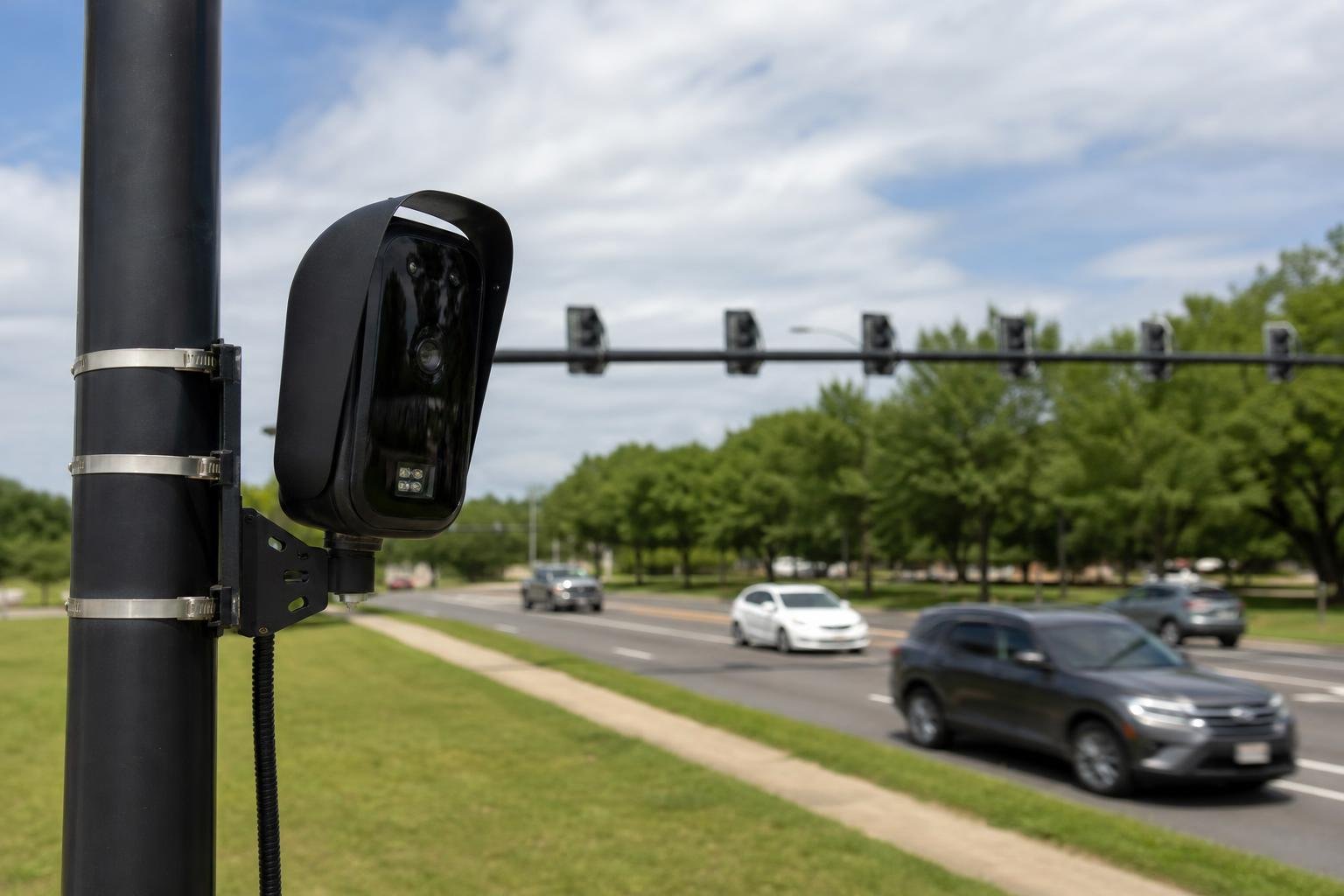

A Texas federal appeal is testing whether police need a warrant to search the historical location data collected by automated license-plate cameras. The case involves Charles Brownlee, who is challenging a conviction and 60-year prison sentence after investigators used Flock camera records to connect him to five armed robberies in the Dallas-Fort Worth area in 2024.
Brownlee’s attorneys argue that investigators conducted a Fourth Amendment search when they reconstructed the vehicle’s movements across multiple locations. A trial judge rejected that argument, and the appeal is now before the Fifth Circuit Court of Appeals.
How investigators used the database
Flock’s system provides more than an individual photograph of a passing license plate. Its searchable records can include vehicle descriptions and other identifying details, allowing investigators to search for a car based on its appearance before its registration is known.
According to the case reporting, investigators began with eyewitness descriptions of the vehicle believed to have been used in the robberies. They located an SUV near multiple crime scenes through the database and then used the information to identify it.
Brownlee’s attorney, Matthew Wright, maintains that using those records to reconstruct a person’s travel patterns is the type of search that requires a warrant. The government has argued that the cameras record only intermittent sightings rather than continuously tracking a person.
Questions about expanding camera networks
Chief Judge Jennifer Walker Elrod questioned how the government’s position would apply as automated license-plate cameras become more widespread. The concern is whether a system that produces occasional sightings can, when combined across a large network, reveal enough information about a person’s movements to qualify as a search.
A Virginia judge supported the use of Flock cameras in February but warned that the expansion of surveillance technology could affect future legal decisions.
Earlier Fifth Circuit ruling
The Fifth Circuit addressed related technology in United States v. Porter, a case it decided in March 2026. There, a warrantless plate-reader alert helped police locate a vehicle associated with a person wanted for aggravated assault.
The court emphasized that the system produced periodic sightings from multiple cameras and did not track movements with the same detail available through cellphone records. At the same time, it acknowledged that plate-reader information can allow investigators to retrace a vehicle’s earlier travels.
Brownlee’s appeal asks the court to consider whether the broader use of that capability crosses the constitutional line. Prosecutors have also raised a separate issue: Brownlee was riding in his sister’s vehicle, and they argue he does not have the legal standing to challenge the database search. They further contend that other information contributed to locating him.
The Fifth Circuit has not set a deadline for its ruling. In a separate case earlier this month, a U.S. District Court judge found that an officer’s warrantless search of a person’s plate-reader history violated the Fourth Amendment.
0 Comments