
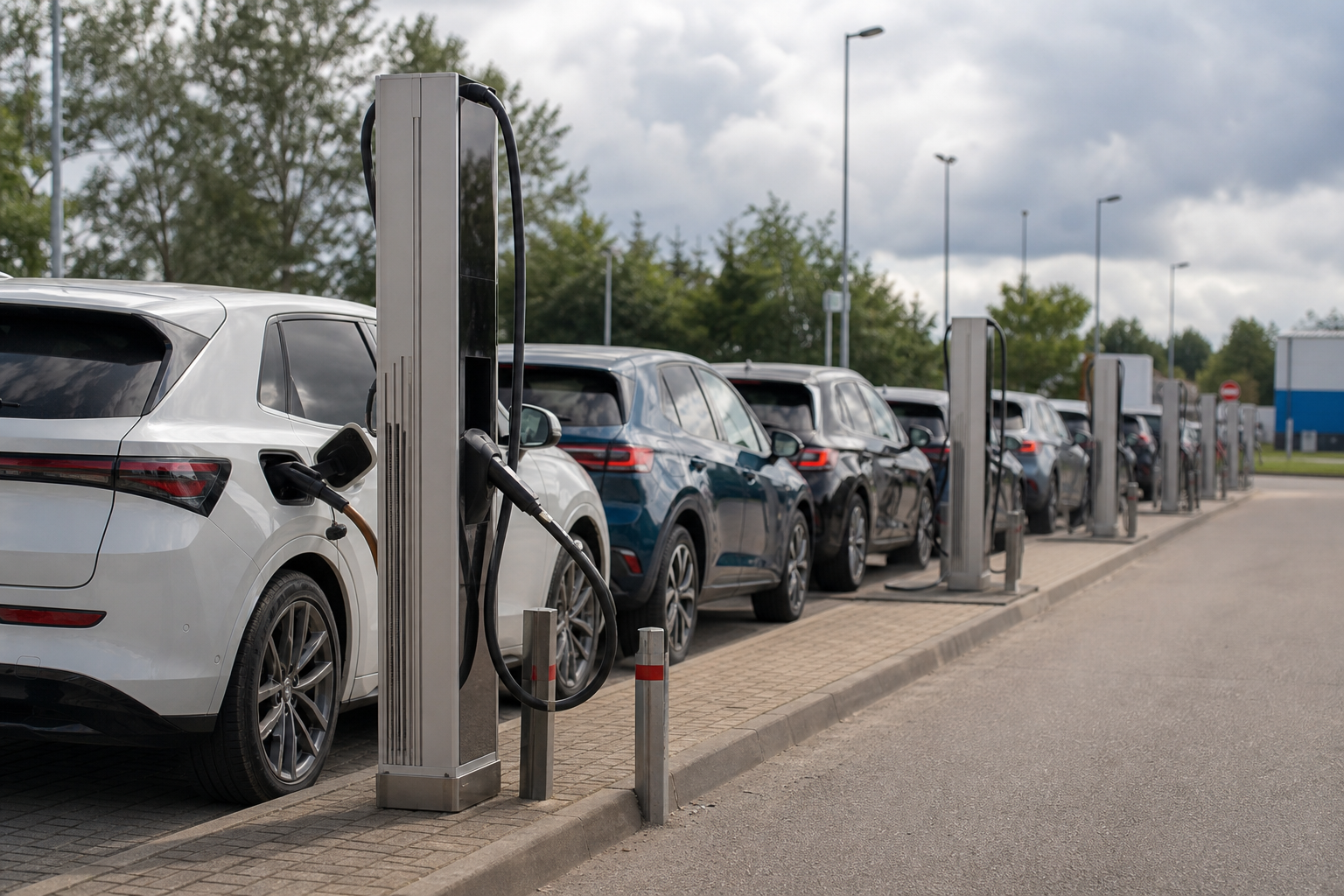

Electric and hybrid vehicle sales in Russia have nearly doubled in the comparable January-to-August period, as shortages of petrol and diesel push more buyers toward electrified vehicles. The surge has also exposed gaps in the country’s charging infrastructure, with some new EV owners facing queues at public chargers.
Electrified vehicle sales rise
Figures from Russia’s Ministry of Industry and Trade show that approximately 83,000 electric and hybrid cars were sold during the period covered by the latest figures. That compares with 43,000 vehicles sold between January and August in the previous reported period.
The increase has brought Russia’s rate of electrified vehicle adoption close to that of the United States, according to the source material. Demand has accelerated as attacks on oil refineries and other fuel facilities in Ukraine have contributed to petrol and diesel shortages across Russia.
A report cited by The New York Times said only 46% of Russian filling stations had fuel available, while about half of the stations in the capital could dispense petrol. Availability in other major cities was reportedly as low as 27%.
In response to growing queues, the Russian government has permitted lower-quality gasoline and diesel to be sold. Some vehicles have reportedly malfunctioned after being filled with the fuel, while newer models are described as being less tolerant of the lower grade.
Chinese brands fill the market gap
Russia’s EV transition is taking place after many established global automakers left the market in response to Western pressure following the country’s invasion of Ukraine. Chinese manufacturers have moved into the resulting gap, supported by dealerships and manufacturing capacity left behind by the departing brands.
Russian auto industry expert Sergei Tselikov told The New York Times that he purchased a GWM Ora 03 GT after seeing drivers spend hours waiting for fuel. By the time he acted, the sudden increase in demand had already raised the vehicle’s price by $2,000, according to the report.
Dealership inventories of some EVs have since been depleted, while relatively few used electric vehicles are being offered for sale. The shortage of vehicles has been accompanied by longer waits at charging locations, creating a smaller-scale version of the fuel queues that encouraged some buyers to switch.
Charging infrastructure remains limited
Russia’s charging network has developed slowly in part because fuel was previously inexpensive and widely available. The country’s geography is another challenge: major cities are separated by long distances, reducing the incentive to build extensive charging coverage between them when demand was lower.
The capital has seen more substantial growth, helped by government incentives. The number of EV chargers there has reached 8,000, compared with a much smaller total in 2022, according to the source.
Demand could remain elevated as fuel pressures continue. The source also points to rising electric-car sales in more than 90 countries and says EVs are on track to represent a record 29% of global new-car purchases in 2026.
0 Comments