
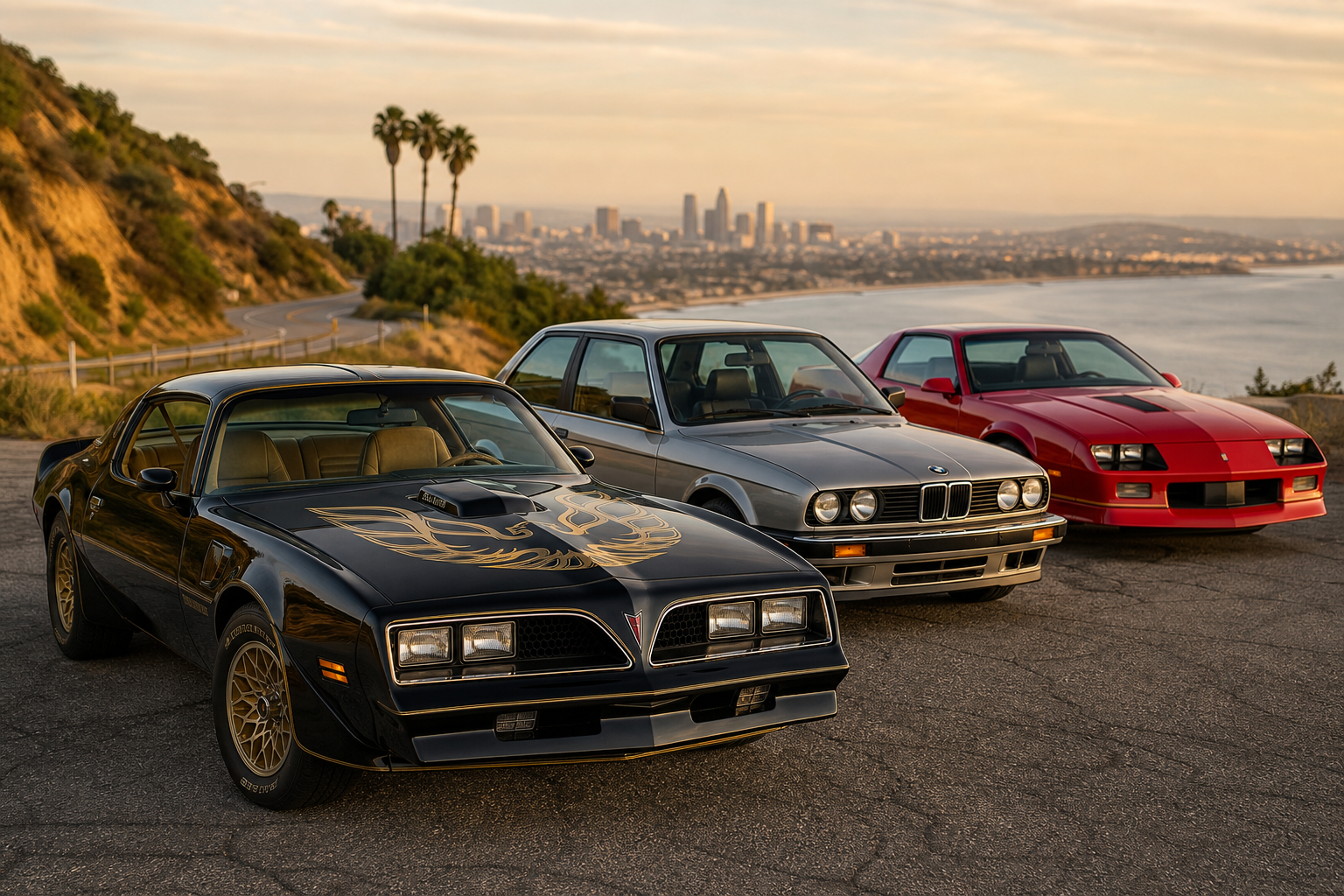

California is preparing to broaden one of its most closely watched enthusiast exemptions, with qualifying 1976–1985 collector cars set to be gradually removed from the state’s regular smog-check program starting in 2028. For owners of classic cars that fall into that window, the change could reduce one of the most persistent hassles of living with an older vehicle in a state known for some of the strictest emissions rules in the country.
What changes, and when
The law does not wipe out smog requirements overnight. Instead, it creates a gradual path for qualifying collector cars from model years 1976 through 1985 to move out of California’s standard inspection cycle beginning in 2028. That detail matters, because California’s emissions program has long been one of the defining ownership realities for older cars sold or registered in the state.
For many enthusiasts, the rule change is less about performance gains than about usability. A vintage or near-vintage car that doesn’t need to return for routine emissions testing is easier to maintain, easier to register, and less likely to be sidelined by a failed inspection over parts availability or age-related engine wear. The new law recognizes that reality for a large group of collector vehicles that have been living in a regulatory gray area between classic status and modern emissions compliance.
Why the 1976–1985 window matters
California has already exempted some older vehicles from smog checks based on model-year cutoffs, and this change extends that idea further into the late-seventies and eighties. That era covers a wide spread of collector-interest machinery: carbureted performance cars, early fuel-injected icons, and a long list of vehicles whose owner base has shifted from daily use to preservation and hobby driving.
That matters because the 1976–1985 range includes cars that are old enough to be considered collectible but new enough that many still use emission-control systems that can be difficult to service correctly. Catalytic converters, early engine-management systems, and aging vacuum plumbing can make compliance a headache even for otherwise well-kept vehicles. In practice, the exemption should make ownership simpler for cars that are driven sparingly and maintained as hobby vehicles rather than transportation appliances.
California’s influence reaches well beyond the state
California emission rules often carry outsized influence because the state is such a large automotive market and because its regulations frequently shape what manufacturers and lawmakers elsewhere pay attention to. When the state adjusts its treatment of older vehicles, collectors and specialty-car owners across the country tend to take notice, even if the law applies only to California registrations.
The policy also reflects a broader balancing act that has followed classic-car regulation for years. States want to preserve air-quality standards, but they also have to account for the relatively low annual mileage and limited use of collector vehicles. A law that targets 1976–1985 classics acknowledges that these cars are no longer functioning like modern commuter vehicles and are often maintained under very different assumptions than the average passenger car.
What owners should keep in mind
The new exemption is directed at qualifying collector cars, which means ownership details will still matter. Registration status, vehicle use, and compliance with whatever administrative requirements California sets around the exemption will determine how the law works in practice. As with any emissions policy, the fine print will matter as much as the headline.
For prospective buyers shopping older cars in the California market, the change could also affect values at the margins. Anything that reduces the friction of registering and maintaining a classic car tends to improve its appeal, especially for models with broader collector interest. That said, the law doesn’t change the fundamentals of buying an older car: condition, originality, mechanical health, and parts support will still matter far more than a blanket exemption.
A practical win for hobby cars
For owners who’ve spent years keeping an older vehicle alive through California’s inspection system, the appeal is obvious. Smog checks can turn into a recurring expense and, in some cases, an obstacle to enjoying a car that is driven infrequently and maintained with period-correct hardware. Expanding the exemption reduces that burden for a new tranche of collector machines while leaving the state’s broader emissions regime intact.
The bigger significance is straightforward: California is signaling that it sees a meaningful distinction between contemporary transportation and preserved older machinery. Beginning in 2028, that distinction will extend to many cars from the late 1970s and early 1980s, giving owners a little more room to keep these vehicles on the road without the same recurring emissions-test pressure.
0 Comments