
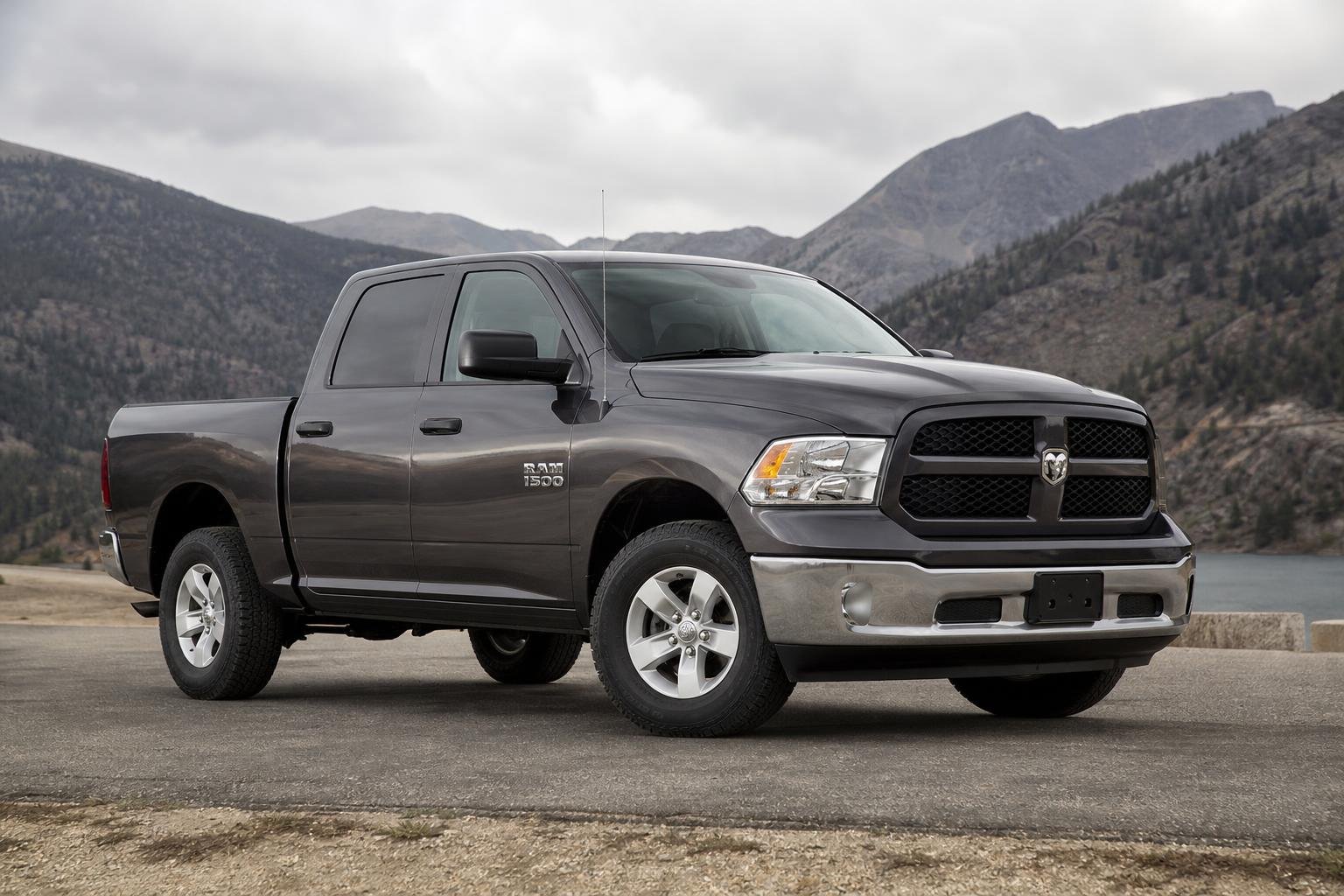

FCA US is recalling 82,843 Ram 1500 Classic pickup trucks because a software problem in the anti-lock brake system module can misread the brake pedal’s position and disable several safety-related features.
The recall covers 2022–2024 model-year Ram 1500 Classic trucks built from September 12, 2022, through October 2, 2024. The campaign, identified by the National Highway Traffic Safety Administration as recall 26V756, involves the brake pedal position sensor and the ABS module software that interprets its signals.
The defect can create several confusing and potentially dangerous consequences. Those include brake lights illuminating when the pedal is not pressed, the truck shifting out of Park without a brake-pedal application, and the loss of electronic stability control, AutoPark and forward collision warning.
How the brake-pedal software problem develops
The issue involves the system’s ability to account for normal brake-pedal sensor drift over time. The brake pedal position sensor is supposed to tell the vehicle when and how far the pedal has been pressed. If the sensor and the ABS module no longer agree about the pedal’s true position, the software can react as though the brake pedal is being applied—or not applied—at the wrong time.
That creates more than a warning-light nuisance. Brake lamps that remain illuminated can make it difficult for following drivers to determine whether the truck is slowing or traveling normally. More seriously, an incorrect brake-pedal signal can affect the shift interlock, which normally requires the driver to press the brake before moving the transmission out of Park.
The same faulty signal can also cause the ABS module to take safety systems offline. Electronic stability control helps reduce loss of control during skids or abrupt maneuvers, while forward collision warning is intended to alert the driver to a potential impact. AutoPark is another software-controlled function affected by the problem.
Fleet reports brought the issue to Stellantis’ attention
According to the NHTSA filing, FCA US learned of the issue through its proactive safety review process after receiving seven Vehicle Owner Questionnaires. The reports involved 2022 and 2023 commercial trucks and described brake lamps staying on along with electronic stability control warnings.
FCA US then contacted the fleet involved in the reports and inspected the trucks. By October 21, 2026, the automaker had recorded three field reports, 12 customer assistance records and 6,001 warranty claims associated with the condition. The company also identified one crash that may be related to the ABS software fault. No injuries were reported.
The large number of warranty claims compared with the relatively small number of formal field reports suggests that the problem may have appeared in routine service visits before the broader safety implications were fully connected. That distinction matters in software recalls: a vehicle may continue to operate normally much of the time while still having a fault that can affect multiple systems under specific conditions.
The remedy is a software update
Dealers will reprogram the ABS module with corrected software at no cost to owners. The repair is not an over-the-air update and must be performed through a dealership.
The recall also includes 669 Mopar replacement ABS control modules carrying the same software issue. Owners who have had an ABS module replaced should therefore check whether the replacement part is included, even if the truck itself was not originally built with the defective software.
FCA US is scheduled to notify dealers on November 26, 2026, with owner notification letters expected by January 14, 2027. Affected vehicle identification numbers should become searchable through NHTSA’s recall lookup system on November 26.
Owners should not wait for a letter if their truck is displaying an electronic stability control warning, behaving unusually when shifting out of Park, or keeping its brake lights on after the pedal is released. Those symptoms warrant prompt inspection. Drivers should also avoid assuming that a truck is unaffected simply because it still appears to operate normally; the recall concerns the ABS module’s interpretation of brake-pedal input and the connected safety systems.
The Ram 1500 Classic remains an important fleet product
The recalled trucks belong to the Ram 1500 Classic, the older pickup that Stellantis continued selling alongside the newer fifth-generation Ram 1500. The Classic gave buyers a lower-cost alternative and remained particularly relevant to commercial fleets, where familiar equipment, lower acquisition costs and straightforward configurations can matter as much as the latest technology.
That extended production strategy also means older vehicle architectures can remain on the road while newer models receive different electronic systems and software. In this case, the recall illustrates how a relatively small sensor-adaptation problem can affect several vehicle functions because modern trucks increasingly rely on shared electronic modules rather than isolated mechanical controls.
Stellantis has issued other recent safety campaigns involving Ram and other brands, including a recall affecting rear seat-belt anchors on approximately 1.5 million Ram 1500 trucks. Those campaigns involve different components and should not be confused with the ABS software recall, but owners can check for all open recalls by entering the truck’s VIN in NHTSA’s lookup tool.
Once the corrected ABS software is installed, the update is intended to correct brake-pedal signal processing and prevent the affected safety features from dropping out because of the sensor-adaptation fault.

0 Comments