


Honda will eliminate the gasoline-only powertrain from the CR-V when the redesigned 2028 model arrives, making the compact crossover the latest high-volume SUV to move entirely into electrified propulsion. The decision follows Toyota’s move to make the RAV4 hybrid-only for 2026 and leaves America’s three best-selling SUVs—the RAV4, Honda CR-V and Tesla Model Y—electrified in some form.
That shift matters because these are not niche products. According to the original report from InsideEVs, the three models combined for approximately 1.2 million U.S. sales in 2025. Electrification is therefore moving into one of the most influential parts of the American market through familiar, mainstream vehicles rather than only through dedicated electric models.
The 2028 CR-V will be hybrid-only
Honda says the seventh-generation CR-V will use a new two-motor hybrid system exclusively. The automaker has not yet released the complete powertrain specifications, fuel-economy figures, pricing or performance details, but it says the new system is designed to improve efficiency and expand the range of operating conditions in which the engine can work efficiently.
The announcement represents a clear change from the current CR-V strategy. Today’s model is offered with both a conventional gasoline engine and a hybrid powertrain, allowing buyers to choose between a lower initial price and improved efficiency. From the 2028 model year onward, that choice will disappear: every new CR-V will include an electric motor and battery system as standard.
Honda assistant vice president of National Auto Sales Luis Guerra said the all-hybrid configuration is intended to broaden the CR-V’s appeal as demand for hybrid-electric vehicles grows. That positioning is important. Honda is not presenting the change as a performance variant or a limited environmental edition; it is making hybrid propulsion the default configuration for one of its most important products.
Toyota has already taken the same route
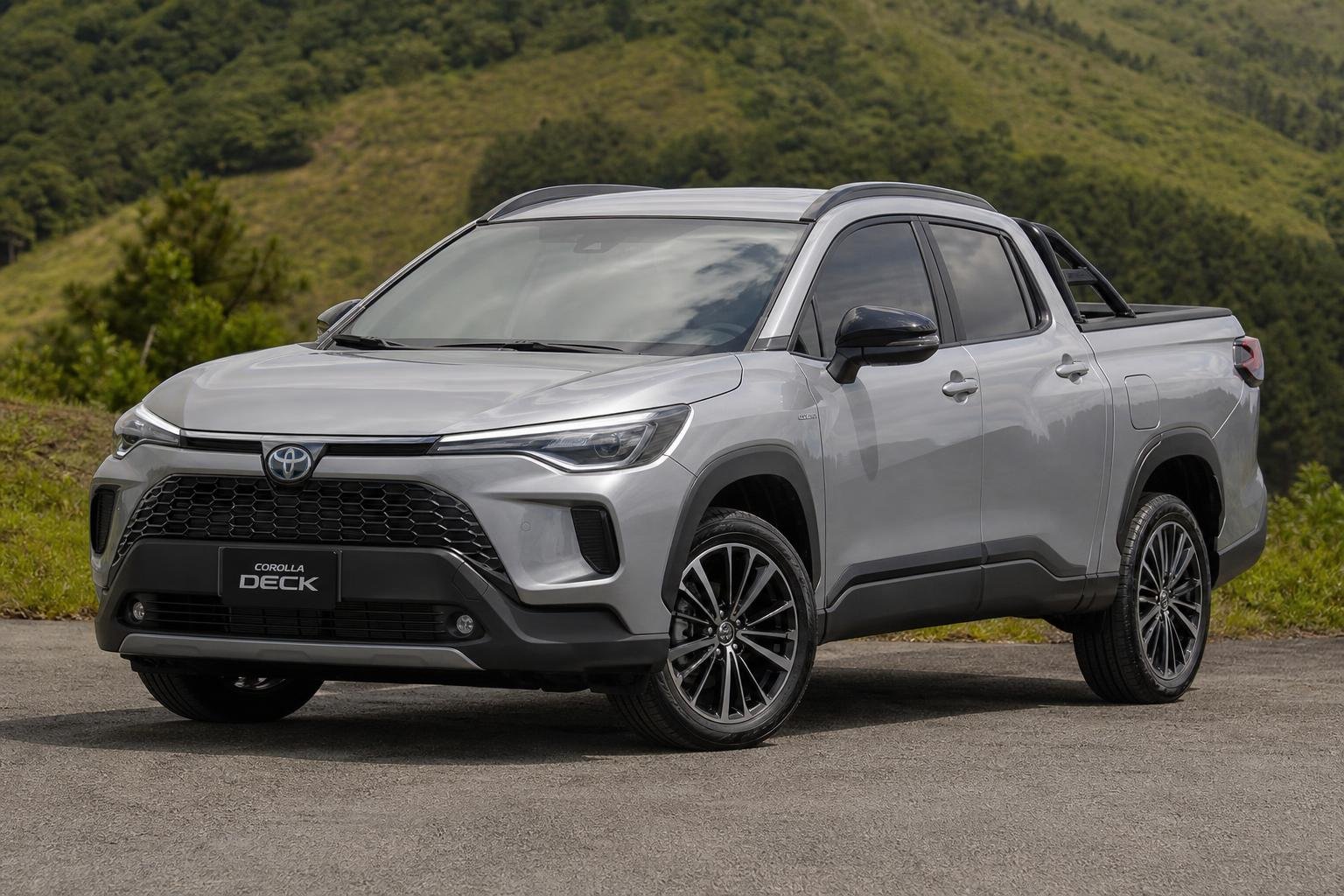
Toyota reached a similar conclusion with the RAV4. Beginning with the 2026 model, the compact SUV is offered only with an electrified powertrain. Toyota has also made the latest Camry hybrid-only, extending the strategy beyond SUVs and into one of the company’s best-known passenger cars.
The RAV4 and CR-V compete for many of the same buyers: customers seeking a practical, relatively efficient family vehicle without committing to the charging requirements of a full battery-electric vehicle. By removing gasoline-only versions, Toyota and Honda are effectively betting that hybrid technology has become acceptable to the mainstream rather than something buyers must be persuaded to try.
That bet is supported by the broader market. The supplied reporting says hybrids accounted for 16% of the U.S. light-duty vehicle market in the third quarter. Hybrid sales have benefited from greater consumer awareness, higher fuel costs and a wider selection of vehicles. The technology also avoids one of the main barriers associated with battery-electric vehicles: drivers do not need access to a home charger or a dependable public charging network for daily use.
Why hybrids are gaining ground before EVs
A conventional hybrid combines an internal-combustion engine with electric motors and a relatively small battery. Unlike a plug-in hybrid, it generally does not require external charging. The battery is replenished through regenerative braking and engine operation, while the electric system can assist during acceleration or move the vehicle under certain conditions.
That arrangement can reduce fuel consumption without changing the ownership routine familiar to gasoline buyers. Drivers still refuel at filling stations, but the powertrain can recover energy that would otherwise be lost during braking and operate the engine more selectively. For shoppers who want lower fuel use but are not ready to plan around charging stops, the compromise is increasingly attractive.
Consumer Reports, cited in the original report, has estimated that the average hybrid carries a premium of approximately $1,700 over a comparable gasoline vehicle and that fuel savings can recover that difference within about four years for many models. Actual payback depends on purchase price, fuel prices, annual mileage and the vehicle’s real-world efficiency, so the calculation will not be identical for every CR-V buyer. Still, the estimate helps explain why automakers see hybrid-only lineups as commercially viable.
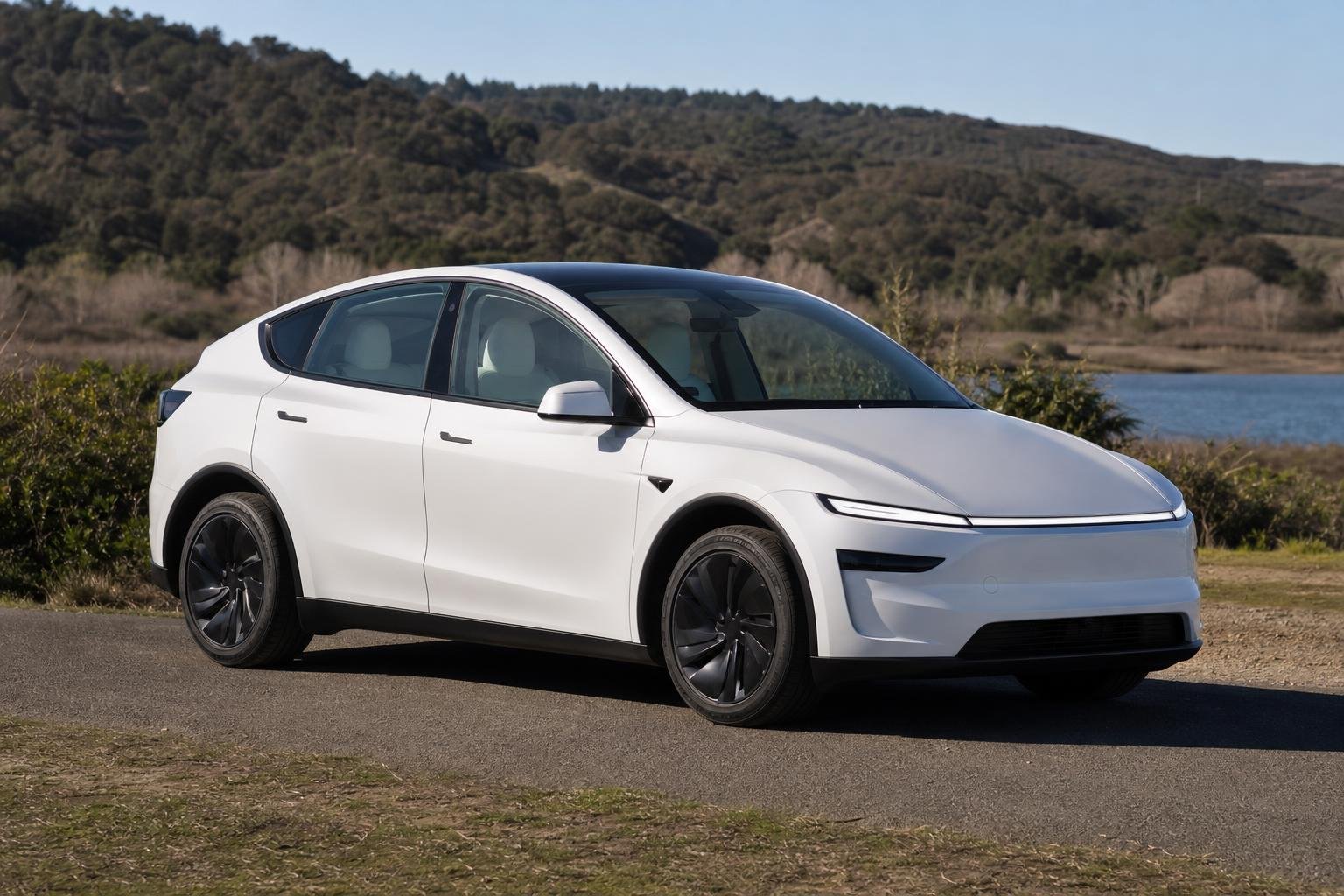
The Model Y represents a different kind of electrification
The Tesla Model Y completes the top-three sales picture from the opposite direction. It is a battery-electric SUV rather than a hybrid, eliminating gasoline use during driving but requiring access to charging infrastructure. Tesla’s official support information says many Supercharger stalls are now accessible to non-Tesla EVs, including vehicles from a growing list of manufacturers, through compatible NACS ports or approved adapters.
That network expansion could make full-electric ownership easier for some buyers, although charging access, charging speed and trip requirements remain important considerations. A Model Y and a hybrid CR-V both reduce dependence on gasoline, but they do so with fundamentally different ownership experiences. The CR-V preserves conventional refueling, while the Tesla requires drivers to treat charging as part of the vehicle’s routine.
More hybrid SUVs are likely to follow
The CR-V and RAV4 decisions also raise competitive pressure on other manufacturers. Nissan is preparing a Rogue Hybrid with a system intended to provide an electric-like driving response, while General Motors has reportedly been considering hybrid powertrains for larger three-row SUVs such as the Chevrolet Traverse and GMC Acadia.
Those developments suggest that hybridization will spread beyond compact crossovers. Larger SUVs have greater fuel demands, which can make efficiency improvements especially valuable, but they also serve buyers who may not be ready to switch to a battery-electric vehicle. A hybrid option can give manufacturers a way to address fuel economy while preserving towing, passenger and long-distance usability expectations.
Honda’s decision does not mean the gasoline engine is disappearing from the American market. It does show that gasoline-only powertrains are losing their position in some of the industry’s most important nameplates. When the seventh-generation CR-V reaches dealers for the 2028 model year, buyers in one of America’s most competitive SUV segments will no longer need to choose whether to buy a hybrid. The choice will be built into the vehicle.
Sources: InsideEVs; Tesla Support.
0 Comments