
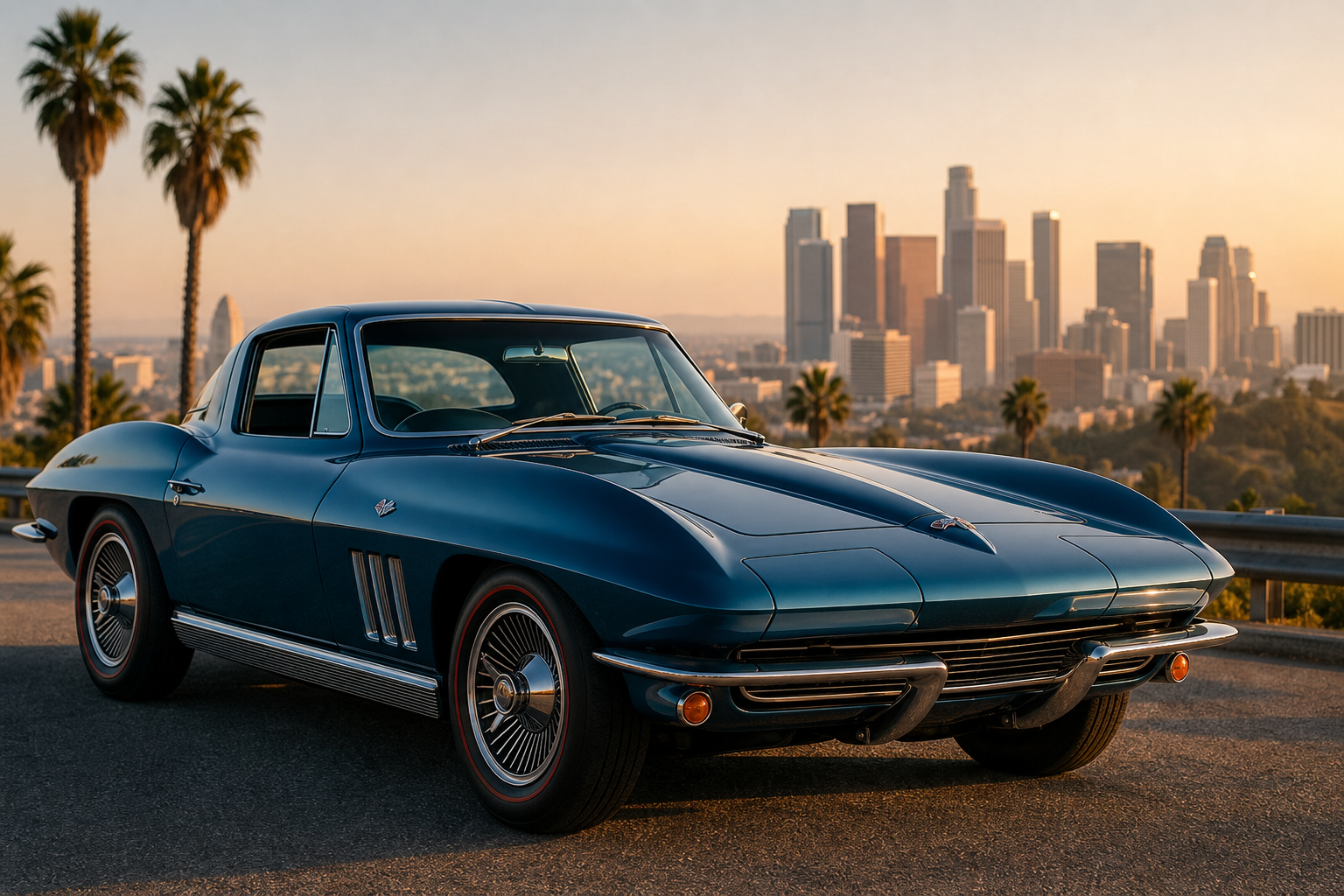

California has taken a notable step toward relaxing emissions rules for older vehicles, with Gov. Gavin Newsom giving the go-ahead to a change long pushed by classic-car owners and hobbyists. The new policy, widely associated with “Leno’s Law,” opens the door to reduced smog requirements for certain vintage vehicles — but it does so with clear limits rather than a blanket exemption.
What changed in California
For years, classic-car owners in California have argued that the state’s emissions rules placed an unfair burden on vehicles that are driven only occasionally and often preserved as historical machines rather than daily transportation. The newly approved measure reflects that argument, offering a more flexible approach for older cars while preserving the state’s broader emissions goals.
The key point is that the change is not a free pass for every old car on the road. California has opted for a conditional easing of the smog rules, which means the exemption is tied to age, usage, or other criteria set by the state. That distinction matters because California’s smog program is one of the most closely watched in the country, and any adjustment to it tends to influence discussion far beyond the state’s borders.
Why classic-car owners pushed for relief
Classic cars occupy a strange place in emissions policy. They’re old enough to fall into regulatory gray areas, but many are maintained carefully, driven sparingly, and kept in original or near-original condition. Owners often point out that these cars log a fraction of the annual mileage of modern commuters and contribute far less to overall fleet emissions than everyday traffic.
That argument has been especially strong in California, where compliance can be costly and inconvenient for vehicles that may not rack up many miles in a year. For collectors, restorers, and weekend drivers, the annual hassle of emissions testing can feel out of step with the way these cars are actually used. The new law acknowledges that reality, even if it stops well short of broad deregulation.
Why this matters in California
California’s influence on automotive regulation is out of proportion to its geography. Because the state is such a large market, manufacturers often design vehicles to satisfy its standards, and policy changes there can ripple outward. That makes even a niche adjustment like this one worth paying attention to.
For the classic-car community, the practical effect could be significant. Cars that have long been treated as special cases may now face less bureaucratic friction, making ownership a little easier and potentially helping preserve older vehicles that would otherwise be left parked. For the broader hobby, the decision also signals that lawmakers are willing to separate occasional-use collector vehicles from the everyday fleet they were never intended to resemble.
A compromise rather than a full exemption
The structure of the policy suggests an attempt to balance competing priorities. California remains committed to smog control, but it has also recognized that not all vehicles serve the same purpose. A 1960s coupe driven on weekends is not the same as a commuter sedan used 15,000 miles a year, and the state’s move reflects that practical distinction.
That compromise approach is important. It avoids the bluntness of a universal exemption while giving enthusiasts a more workable path for keeping classic machinery on the road. For owners of vintage vehicles, the value of that change goes beyond convenience. It can affect whether a car is worth restoring, how often it is driven, and how easy it is to keep registered and insured as a living piece of automotive history.
The wider context for collectors
Classic-car policy has become a recurring issue in states that are tightening emissions standards. As newer vehicles get cleaner and electrification grows, lawmakers are increasingly being asked how to treat older, lower-mileage cars that sit outside the normal commute-and-commerce model. California’s latest move may not settle that debate, but it gives collectors a concrete example of how regulators can carve out room for preservation without abandoning environmental oversight.
For now, the most important takeaway is simple: California’s classic-car rules have become less rigid, but only for vehicles that fit the conditions of the law. Enthusiasts who have spent years lobbying for a more realistic approach to vintage ownership finally have a political win to point to, and the rest of the industry will be watching how the state defines and enforces the details.


0 Comments