

Cyberattacks targeting internet-connected refrigerators and coolers at European supermarkets are raising fresh questions about the risks of putting everyday hardware online. The attacks have reportedly stopped cooling systems from working, spoiling food and creating significant costs for retailers.
The incidents have also prompted speculation about possible Russian involvement, although the Kremlin has denied it. Regardless of who is responsible, the attacks underscore the broader vulnerability of connected systems and the challenges created as more devices gain network access.
Connected vehicles face similar concerns
The issue extends beyond commercial refrigeration. Automakers are continuing to add online services and cloud-based functions to vehicles, including features that handle personal data.
General Motors recently highlighted plans for OnStar AI and cloud storage for items such as dash-camera footage. The footage is expected to use end-to-end encryption, but the move still illustrates how much information connected vehicles may increasingly process and store.
Ford has also announced a new privacy policy for connected vehicles. The policy is intended to protect user data and provide opt-out options for certain features, according to the source material.
Slate takes a different approach
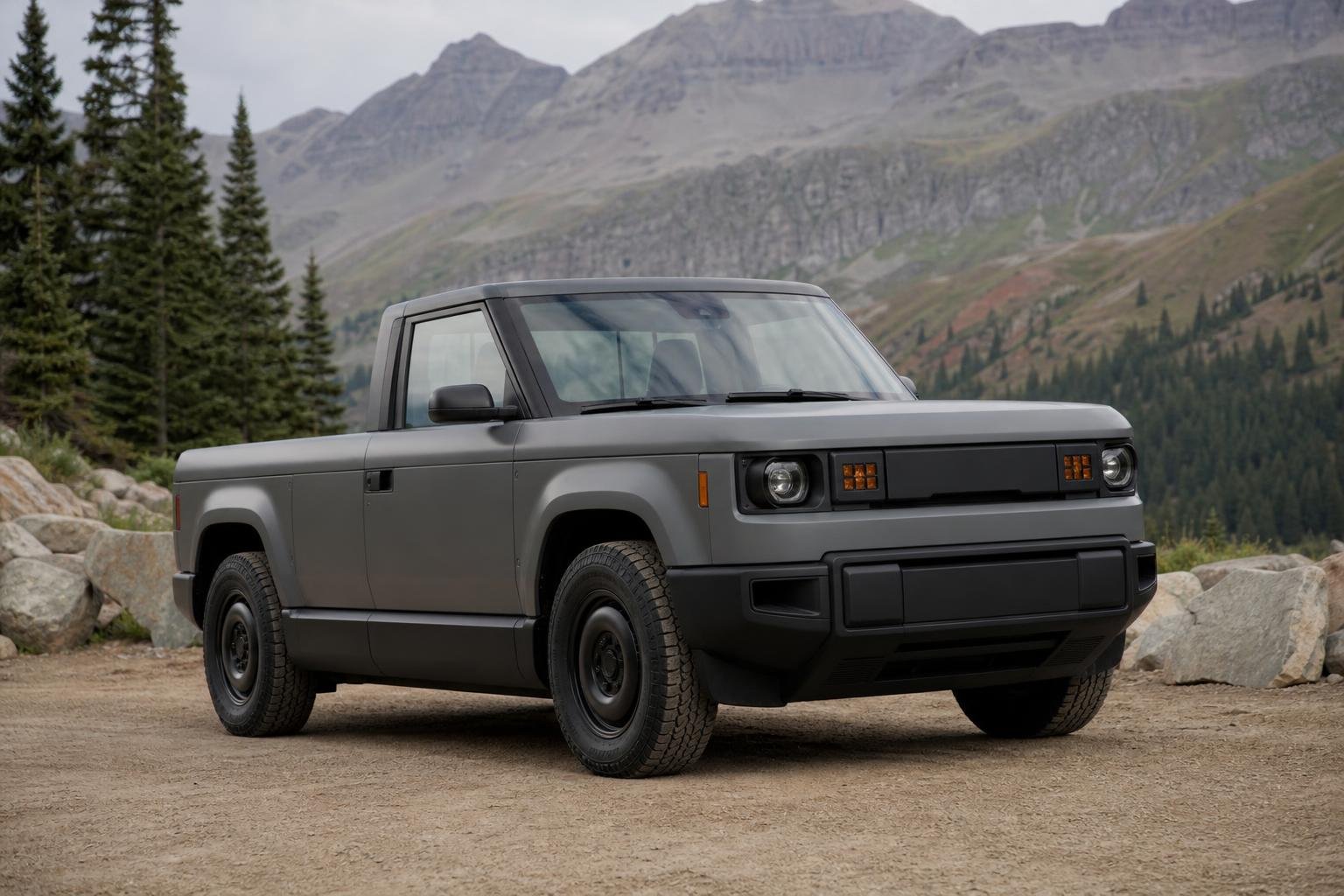
Slate Auto’s planned electric pickup offers a contrasting philosophy. Rather than making connectivity a central part of the vehicle, the truck is designed around a simpler, more traditional setup.
The planned model does not include standard infotainment, while remote climate control requires an additional telematics module. Without a phone, the truck cannot connect to outside services while it is being driven. Some information may still be stored onboard for service purposes, but accessing it would require connecting the vehicle to service equipment.
The approach also extends to the truck’s basic equipment. The source describes a two-door configuration, crank windows and limited creature comforts, positioning Slate’s vehicle as a departure from the increasingly software-focused products coming from other automakers.
Demand for simplicity remains uncertain
It is not yet clear how many buyers will want an electric pickup with such a deliberately limited technology package. Slate’s planned truck is intended to offer a back-to-basics alternative as automakers continue developing more connected vehicles, but customer interest has yet to be established.
The recent attacks on supermarket cooling equipment add context to that debate. As artificial intelligence tools and other technologies make cyberattacks easier to conduct, concerns about vehicle data security and connected-car vulnerabilities are likely to remain part of the discussion around the next generation of automobiles.
0 Comments