
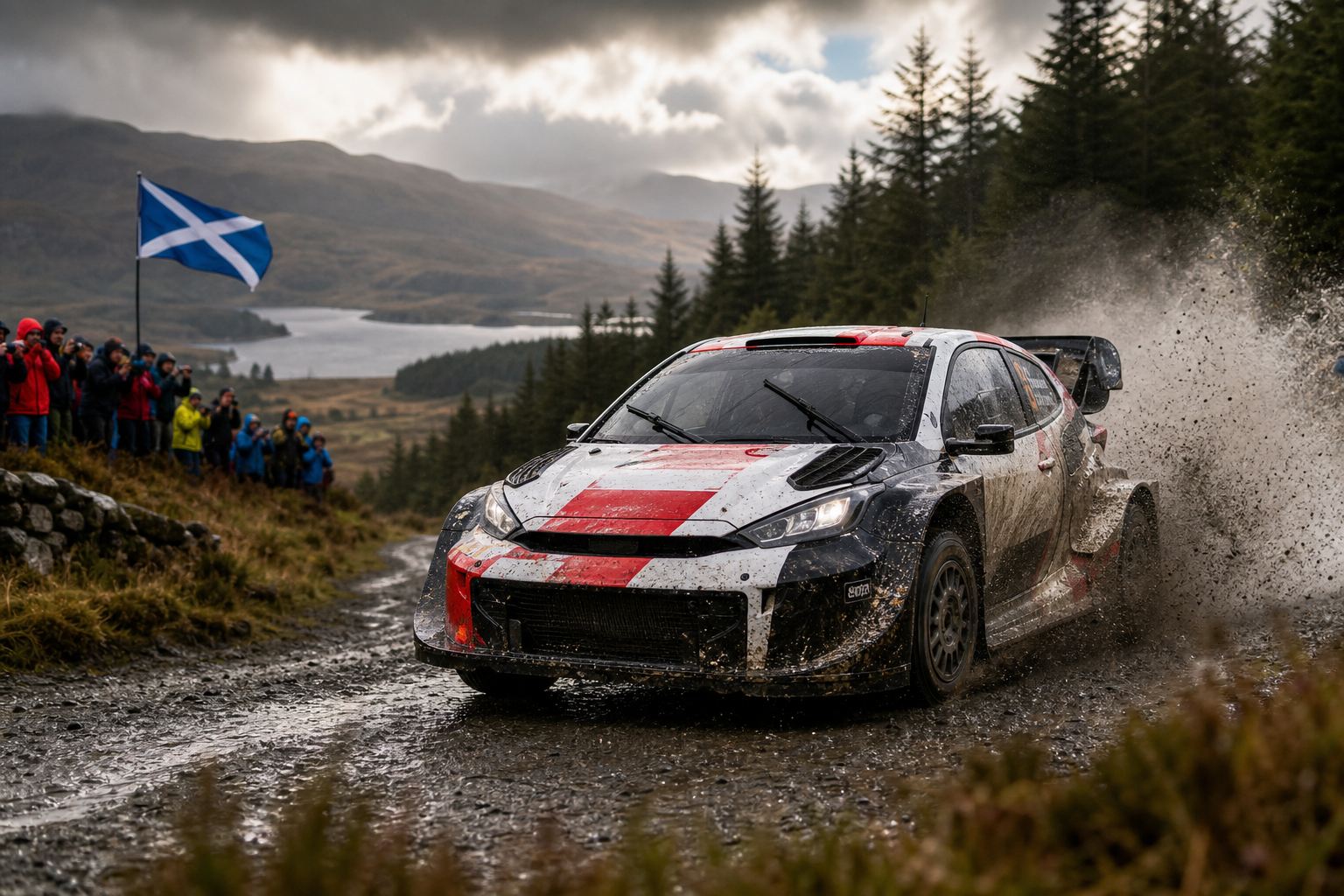

The World Rally Championship is heading back to the BBC in a proper live sense, with the broadcaster securing UK rights for a three-year spell from 2027. For a series that has spent far too long making do with highlights, clips and the occasional awkwardly scattered bit of coverage, that’s a decent-sized win.
The deal covers the 2027-29 period and gives the BBC a package built around select live stages from each round, plus the Power Stage from every rally. That means viewers in the UK will be able to follow the final dash for bonus points and drama, which is usually where the rallying gods decide to have a bit of fun. Alongside that, each event will get a 60-minute highlight programme, so there’s still a route in for those who prefer their WRC served with a little less midnight coffee and a little more structure.
What the BBC will actually show
The headline detail here is not a vague promise of “coverage” in the modern PR sense, but a fairly clear broadcast package. The BBC will carry live action from selected stages, while the Power Stage from every WRC round will be shown live. That matters because the Power Stage has become one of the most consequential parts of a rally weekend, often deciding the final points haul right at the death. Rallying is dramatic enough already; giving the BBC the business end of each round makes a lot of sense.
Each event will also be packaged into a 60-minute highlights show. That is the sensible bit. Rallying can be glorious, but it can also be a logistical maze of forests, time controls and split-stage carnage that makes even hardened fans reach for a notebook. A well-edited hour is a useful way to make the championship digestible without flattening it into mush.
Why this is a meaningful move for the WRC
The WRC has always had the sort of appeal that should translate on television: different countries, wildly varied terrain, weather that behaves like a drunk uncle at a wedding, and cars being hurled down roads that look frankly unsuitable for a hatchback on holiday. Yet it has never been the easiest championship to package for a mainstream audience. A rights deal with the BBC gives it a far more visible home in the UK than many fans have enjoyed in recent years.
That visibility matters because the championship’s strength has always been rooted in atmosphere and variety. Rallying is not a closed circuit procession with a neat broadcast schedule and grandstands politely arranged around a ribbon of tarmac. It’s a sport of remote locations, shifting conditions and sudden chaos. If the BBC treats it properly, the series gets something valuable: a broadcaster with reach, familiarity and a habit of making motorsport feel part of the sporting calendar rather than some niche hobby watched by three blokes and a dog.
Rally Scotland adds another layer
The agreement also includes extensive live coverage from Rally Scotland, which should be taken as a clue that the WRC is not just thinking about the championship rounds themselves but about the wider rallying ecosystem in the UK. Scotland, with its fast, narrow roads and changeable conditions, is the sort of place where rally cars look exactly as they should: slightly insane and completely in their element.
Live coverage from a UK rally should help bridge the gap between the global championship and a domestic audience. It gives British viewers something that feels geographically and culturally closer, while still being wrapped in the top-level WRC package. That is smart broadcasting, rather than the usual habit of treating rallying like a foggy afterthought wedged between bigger-ticket sports.
What the deal says about the championship
For the WRC, landing a deal of this sort is about more than simply getting stages on television. It is about distribution, accessibility and keeping the championship in front of an audience that has a real appetite for motorsport when it is presented with a bit of conviction. Live rally coverage can be messy, unpredictable and occasionally frustrating, which is another way of saying it is properly interesting. The trick is making sure that excitement reaches people who are not already converted.
The BBC is a sensible fit for that job. It has the platform, it has the audience, and it understands how to present sport without dressing it up like an energy drink advert. From 2027, UK fans will have a clearer route into the championship than they have had in a while, with live stages for the committed and highlights for everyone else. In rallying, that is about as tidy as things ever get.
And frankly, that’s the charm of it. The WRC doesn’t need to pretend it’s a polished studio product. It needs roads, weather, pace notes and somewhere sensible to watch the lot. The BBC has now been handed the job of doing just that.
0 Comments