
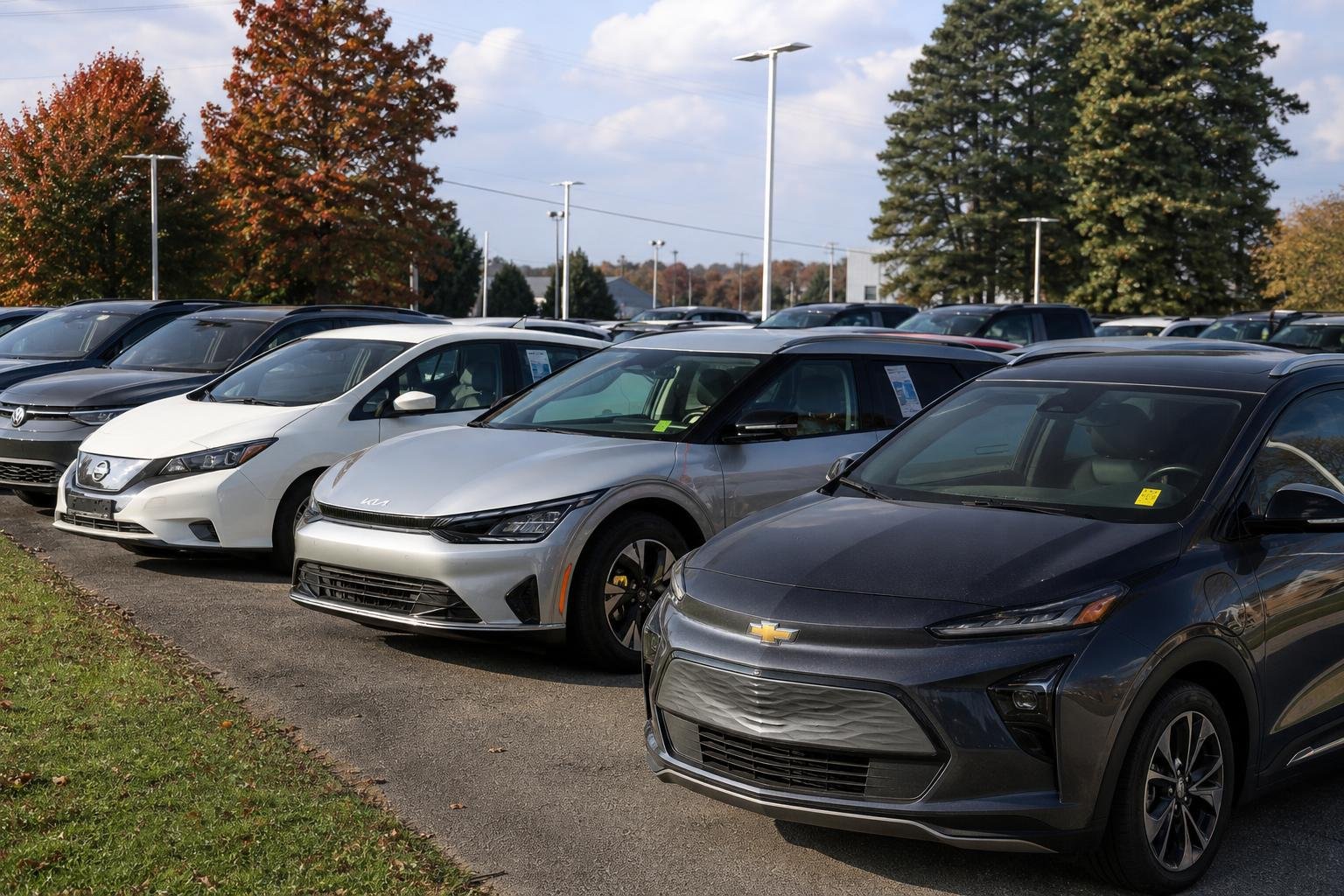

The U.S. used-electric-vehicle market continued to expand in October, but the month’s results also showed that Tesla’s long-standing dominance is beginning to face more competition. An estimated 48,678 used EVs changed hands, according to Cox Automotive, while sales of used Teslas declined and several Chevrolet, Kia, Nissan and Volkswagen models gained ground.
Used EV sales increased 73.2% from the same month a year earlier and represented 3.3% of all U.S. used-vehicle sales. That share matched September’s record, indicating that demand for pre-owned electric cars is holding up even as the new-EV market remains more exposed to pricing pressure and the end of federal purchase incentives.
Tesla remained the leader, but rivals gained ground
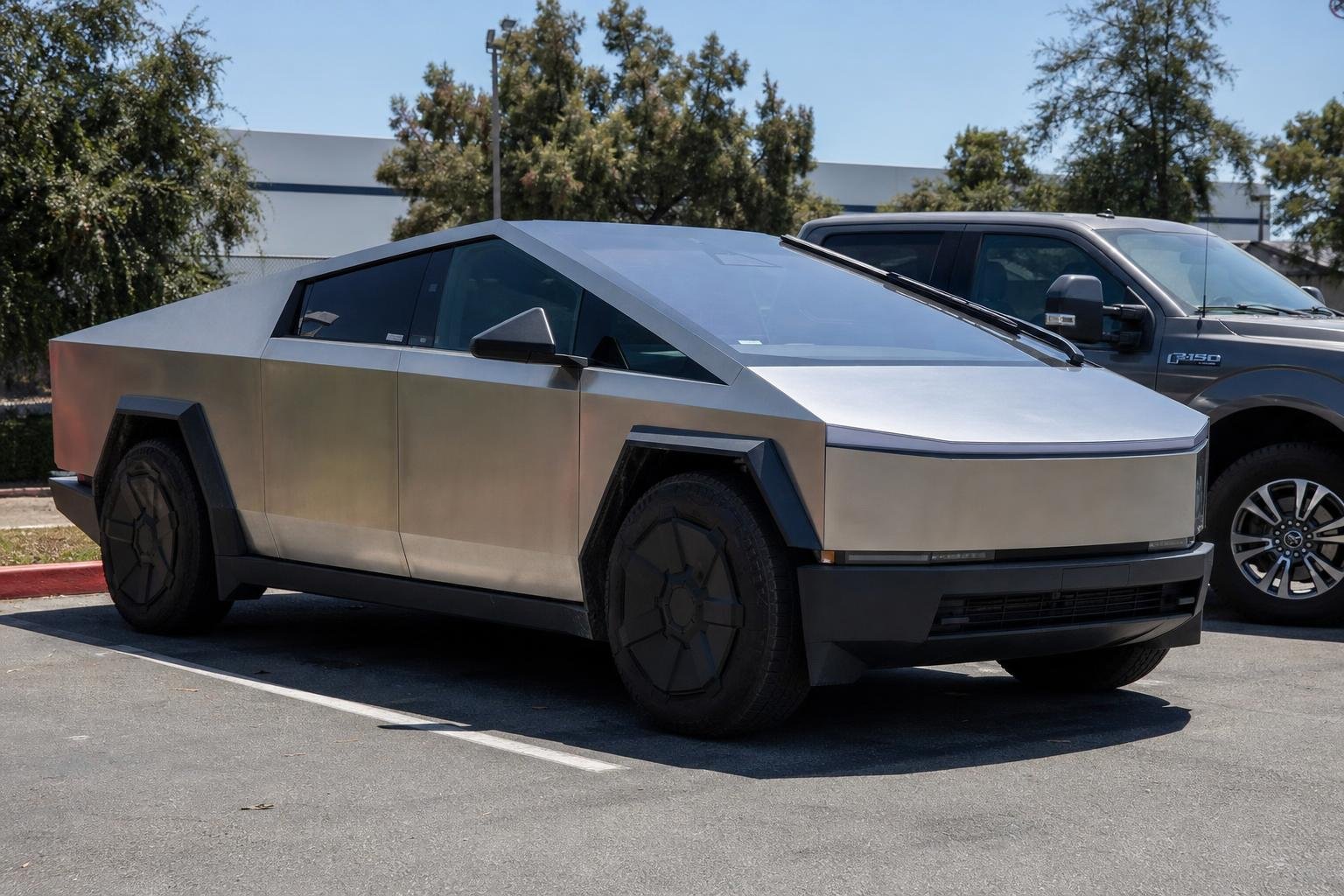
Tesla still led the used EV market by a wide margin in October. However, overall sales of used Teslas fell 5.4% from September, with the Model 3, Model Y and Model X each losing ground. The company’s position at the top therefore looked less secure than it did earlier in the year, particularly as more mainstream alternatives became available at lower prices.
Chevrolet moved ahead of Ford to take second place among brands, while Hyundai and BMW completed the top five. The Chevrolet Equinox EV and Blazer EV continued to benefit from increased buyer interest after also posting gains in September. The Kia EV6, Nissan Leaf and Volkswagen ID.4 also sold more used examples month over month.
The shift is important because the used market gives established manufacturers a second opportunity to reach customers who may not be prepared to pay new-car prices. Tesla built much of its early EV advantage around product availability, charging access and brand recognition. As more vehicles from other manufacturers enter the second-hand market, buyers have more choices in body styles, equipment levels and price ranges.
Lease returns are expanding used-EV supply
Cox Automotive attributed the broader selection partly to an increasing number of vehicles coming off lease. Many EVs leased during the period when federal incentives reduced monthly payments are now reaching the used market. Additional reporting cited by Yahoo Finance suggests that the flow of off-lease EVs could grow substantially through 2026 and 2027.
That supply is significant because lease returns tend to be relatively young vehicles. They can offer buyers more current battery technology, improved range and newer driver-assistance systems than the earliest mass-market EVs, without carrying the price of a new vehicle. The resulting inventory also gives dealers a wider range of products to present to customers who are interested in electrification but remain sensitive to upfront cost.
Supply growth does not automatically guarantee strong resale values. EV pricing has been volatile, partly because manufacturers have used discounts and incentives to move new inventory. When new vehicles are heavily discounted, used examples generally face additional pressure. For shoppers, however, that depreciation can create an opportunity—provided they investigate battery condition, remaining warranty coverage, charging capability and the vehicle’s accident and service history.
Used EV asking prices edged lower
The average asking price for a used EV was $36,582 in October, down from $36,767 in September and 1.9% below the year-earlier figure. Prices for the Chevrolet Equinox EV, Volkswagen ID.4, Ford Mustang Mach-E and Nissan Ariya all declined during the month.
Used Teslas moved in the opposite direction for a second consecutive month. Their average asking price rose 1.8% to $34,109. Even after that increase, the average used Tesla remained about $2,500 cheaper than the broader used-EV average, helping explain why the brand continues to attract buyers despite its monthly sales decline.
Used EVs were still priced higher than gas-powered vehicles and hybrids by an average of $2,236. That premium increased slightly from September’s $2,137, but it remains far smaller than the price gap that often separates new EVs from comparable new conventional vehicles. Fuel savings and lower routine maintenance requirements may improve the ownership equation, although insurance costs, charging access and battery-related concerns remain important parts of the buying decision.
EV inventory turned faster than conventional stock
Dealers held approximately 38 days of used-EV supply at October’s sales rate, compared with 47 days for gas cars and hybrids. Tesla inventory was tighter still, with roughly 32 days of supply at traditional dealerships. Cox’s calculation excludes inventory sold through Tesla’s own retail locations.
Shorter supply does not mean every used EV is selling quickly. Vehicle age, range, pricing and local charging infrastructure can produce major differences between models. Still, the overall inventory figures challenge the idea that used EVs are simply accumulating on dealer lots. The segment is attracting buyers when prices move closer to conventional used-car territory.
New and used EV markets are moving in different directions
The contrast with new vehicles was clear in October. U.S. new-EV sales reached an estimated 83,262 units, down 3.9% from September but up 3% year over year. EVs accounted for 6.2% of new-vehicle sales, while the average new-EV buyer paid $56,221 despite average incentives of $6,375 per vehicle. New-EV inventory stood at 85 days, more than twice the used-EV supply.
Tesla’s new-vehicle performance also differed from its used results. Americans purchased 36,366 new Model Ys in October, a 9.4% increase from September. That represented nearly 44% of all new EV sales, demonstrating that Tesla’s strongest product continues to exert considerable influence in the new market even as used-car shoppers increasingly consider alternatives.
Cox’s published figures contain a small reporting inconsistency: the October total of 48,678 vehicles is 816 higher than the 47,862 reported for September, which calculates to a 1.7% monthly increase rather than the stated 4.7%. The year-over-year increase and October market share remain the more useful indicators, but the discrepancy should be resolved in future updates.
The broader message is clearer than the monthly percentage: used EVs are becoming a more important entry point into electric-car ownership. Tesla remains the market leader, but falling prices, expanding lease-return supply and a wider selection of crossovers are allowing competing models to take a larger share of consumer attention.
Sources: InsideEVs; Yahoo Finance.
0 Comments