
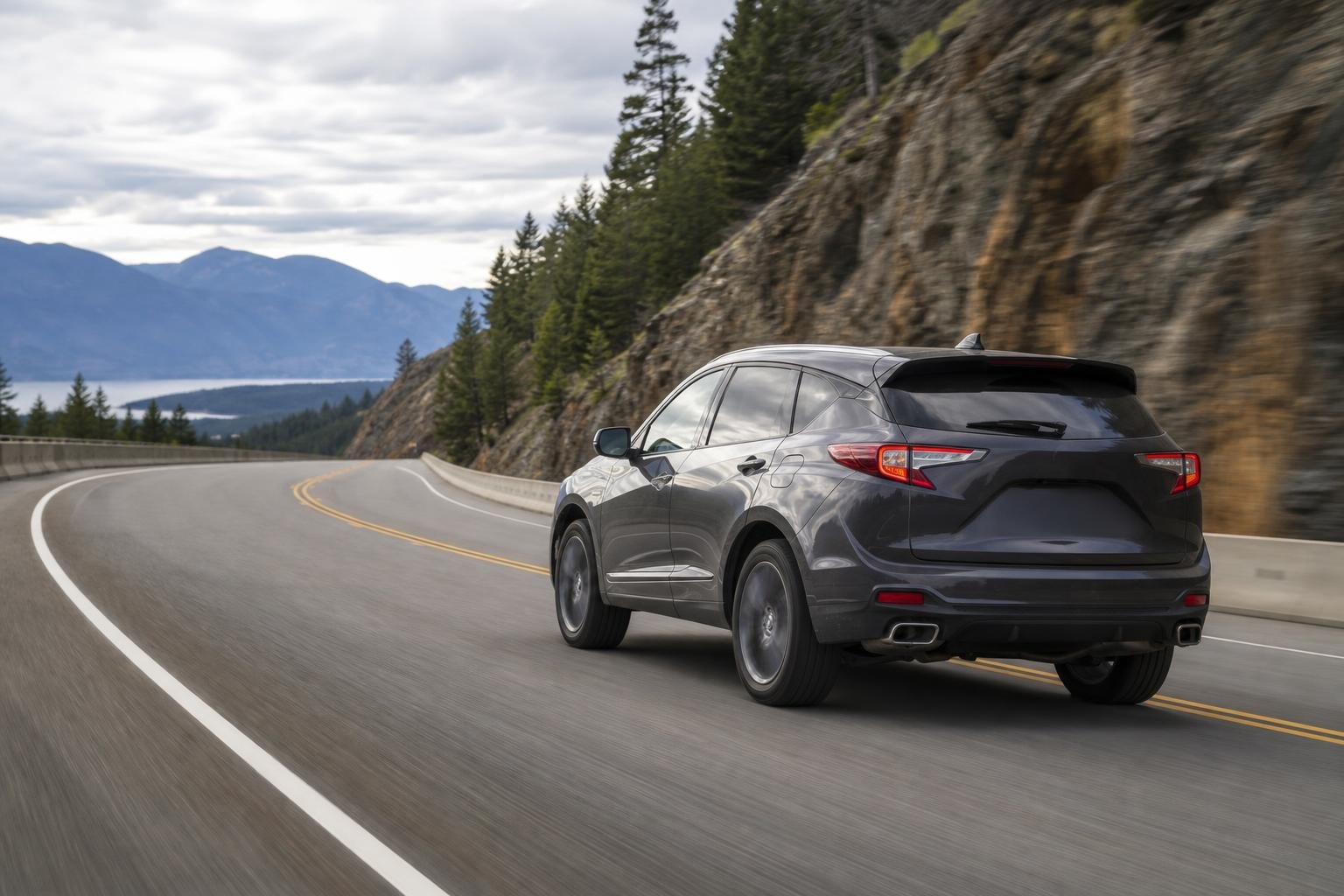

After a jump start, leaving the engine running in the driveway may not restore enough charge to a flat battery. Because an alternator produces only limited current at idle, the car should generally be driven for around 30 minutes at highway speeds, with electrical accessories switched off where possible.
Why idling is not enough
A vehicle’s battery is recharged by the alternator, a belt-driven generator connected to the engine’s crankshaft. At idle, however, the alternator produces enough electricity to operate essential systems such as the ignition, fuel injection, dashboard and electric power steering when fitted. That output may not be sufficient to meaningfully recharge a battery that has been completely drained.
Increasing the engine speed slightly while the car remains stationary can raise alternator output, but driving is the more effective option once the engine is running correctly. Battery experts generally recommend about 30 minutes of highway-speed driving without electrical accessories to put enough charge back into the battery for another restart.
The required driving time can vary. Battery size, how deeply it was discharged and the electrical load placed on the vehicle all affect the result. A nighttime drive in wet weather, for example, may require headlights, windshield wipers, air conditioning and other accessories, increasing the amount of time needed to replenish the battery.
Modern jump-start connections
The traditional connection method placed the red cable on the positive terminal of both batteries, followed by the negative cable on the donor vehicle’s negative terminal and the other end on the flat battery’s negative terminal. That approach is not recommended for many modern vehicles because a sudden current spike can damage the engine control unit.
The updated method still connects the positive cable to the positive terminals. One end of the negative cable goes to the donor vehicle’s battery, while the other is attached to a suitable earth point in the engine bay of the vehicle with the flat battery. Some vehicles provide a dedicated earth point; otherwise, an appropriate metal fitting may be used.
What to do after connecting the cables
Once the cables are secured, wait a couple of minutes. Start the donor vehicle and let it run for another minute or two before attempting to start the car with the discharged battery.
If the disabled car does not start, wait several more minutes and try again. After it starts, do not immediately remove the cables. Keep both vehicles running for a few minutes, then disconnect the leads in the reverse order used during installation.
The jump start only gets the engine running again. Driving for roughly 30 minutes at highway speeds, while minimizing electrical demand, gives the alternator a better opportunity to restore enough charge for the battery to start the car again after it is switched off.
0 Comments