
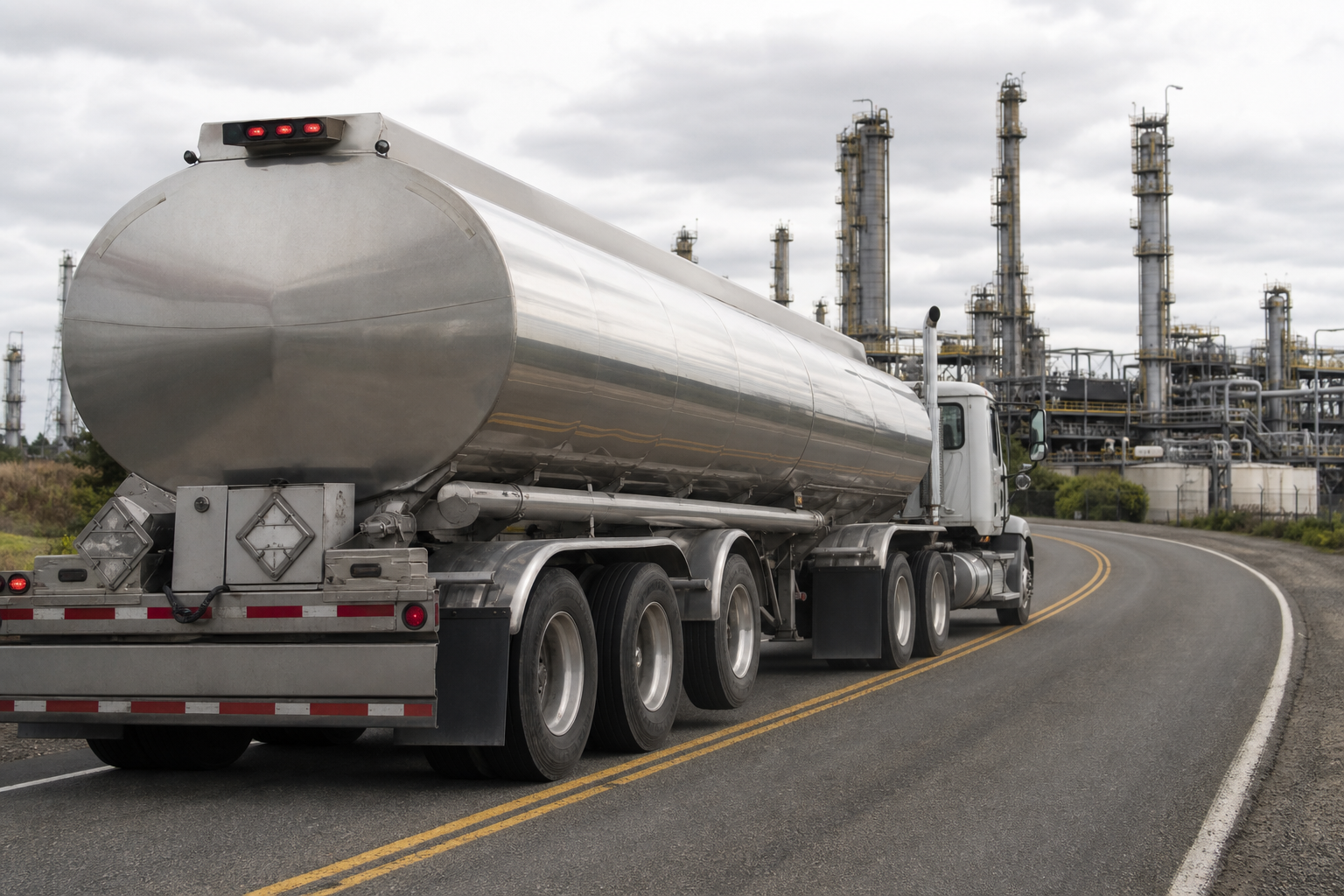

The White House has denied that the administration is preparing a temporary ban on diesel exports, despite President Donald Trump expressing support for keeping more diesel in the United States and a report that officials were considering a 90-day restriction.
The conflicting statements came as diesel prices continued to pressure truckers, farmers, heavy-duty vehicle owners, and businesses that depend on fuel-powered transportation and equipment. A report published Wednesday said the administration was preparing the export ban, citing five people familiar with the discussions. Reuters could not independently verify that account.
A White House official later said the administration was not considering a blanket, temporary ban. That position leaves the status of any potential export limits unresolved, with no export restriction announced and no alternative policy finalized.
Trump backs keeping diesel at home
Trump said Tuesday that he supported the basic idea of limiting diesel exports and had discussed it with members of his administration. Treasury Secretary Scott Bessent also said officials were evaluating whether a complete or partial restriction could be implemented.
Those comments helped fuel expectations that a diesel export measure might be under consideration. However, the subsequent White House denial disputed the report’s description of a 90-day ban being prepared.
The pressure behind the debate is reflected in pump prices. AAA reported that the national average for diesel reached $6.52 per gallon on September 23, compared with $5.61 one month earlier and $3.69 a year earlier.
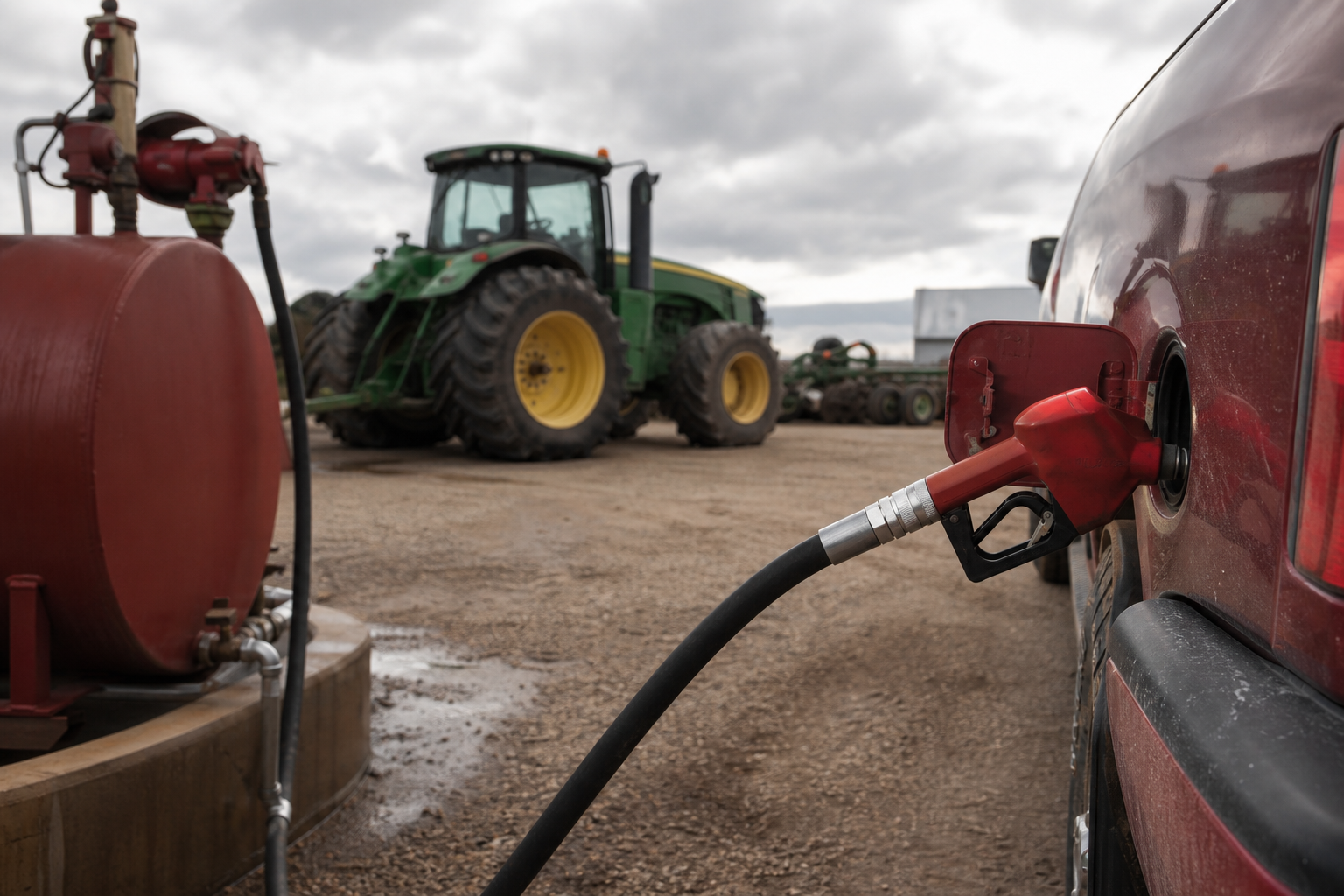
Higher diesel costs affect more than individual drivers. Trucks, trains, farm machinery, and construction equipment rely on diesel to transport goods, grow food, build homes, and support other economic activity. Fuel costs can therefore reach consumers through transportation and production expenses.
Energy secretary warns of wider fuel effects
Energy Secretary Chris Wright opposed a blanket export ban, saying it would not solve the problem and could increase prices for gasoline and jet fuel. His concern is that restricting exports might lead refiners to process less crude oil.
Because refineries produce multiple fuels from the same crude oil, a reduction in refinery activity could also limit supplies of products other than diesel. Wright said the administration was instead discussing voluntary cooperation with refiners to expand domestic diesel availability. He did not provide details and said no decision had been reached.
Financial markets reacted to the initial report before the administration’s position became clearer. October ultra-low-sulfur diesel futures fell roughly 4 percent Wednesday after dropping by more than 6 percent earlier in the session, according to Reuters.
That movement in futures markets does not translate directly into an immediate reduction at filling stations. For now, the administration has no announced diesel export ban, while the president supports exploring the concept and the energy secretary has warned of possible effects on other fuels. Diesel users continue to face average prices above $6.50 per gallon.

0 Comments