

Formula 1 has begun sketching the shape of its next power-unit era, and one tempting idea has already been pushed aside: a return to naturally aspirated engines.
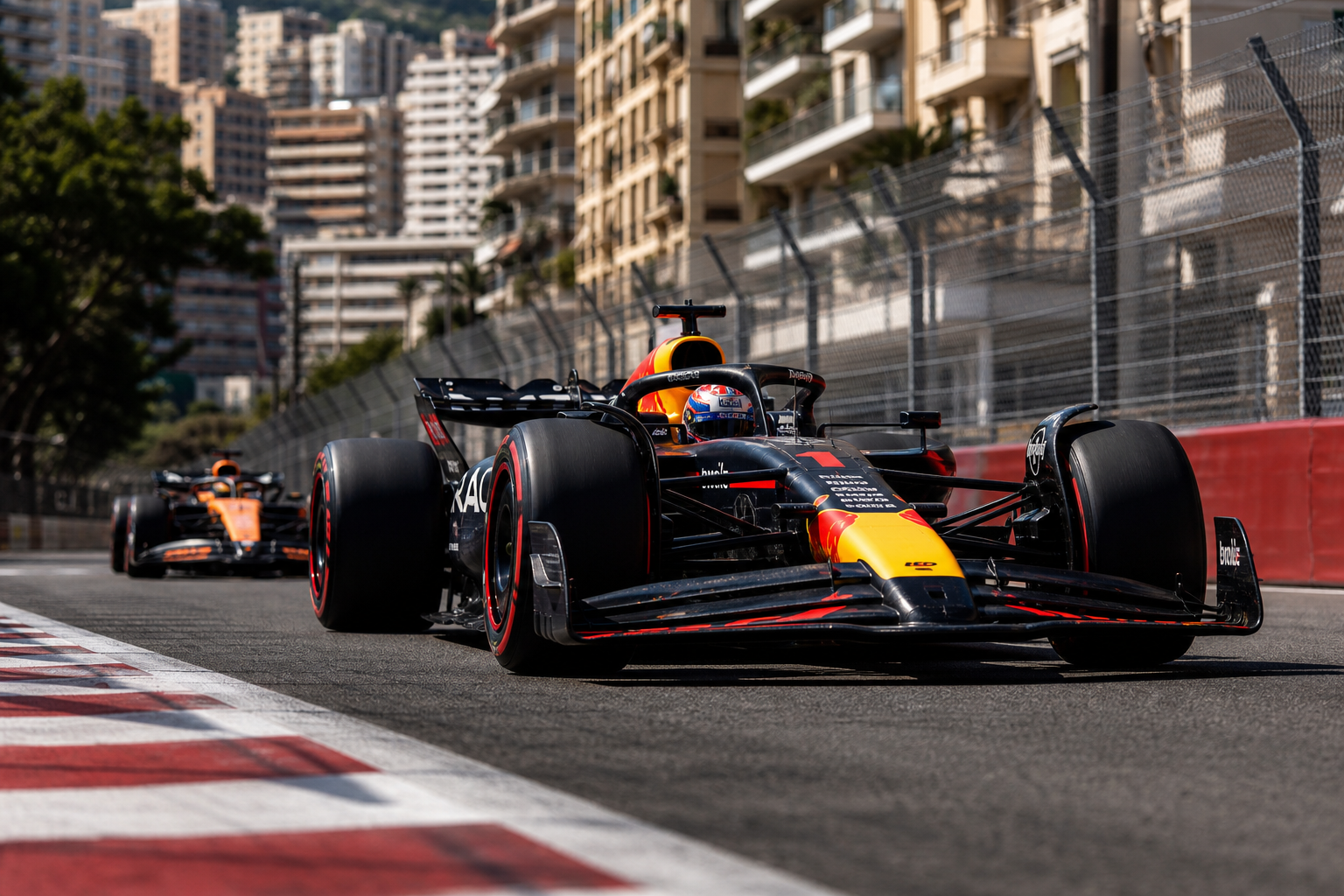
F1 stakeholders have agreed on the main elements of the engine regulations intended for the next cycle, currently expected to begin in 2030. The FIA, Formula 1, and the participating engine manufacturers have decided against pursuing a naturally aspirated option, with noise restrictions at street circuits cited as one reason.
That may sound like an oddly bureaucratic way to reject one of motorsport’s great mechanical pleasures. It is, however, a revealing decision. Even at the top level of racing, engine design is now shaped not only by power, weight, efficiency, and cost, but also by the practical realities of staging races between apartment blocks and office towers.
Why the Naturally Aspirated Idea Has Been Dropped
A naturally aspirated engine would have offered an obvious emotional advantage. Without a turbocharger muting and reshaping the engine’s character, designers could chase a sharper throttle response, a more immediate climb toward the rev limit, and the sort of high-frequency sound that made older Formula 1 cars impossible to ignore.
But the noise is also the problem. Street circuits are already difficult neighbors. Races take place in dense urban areas, often with residents, businesses, and local authorities only grudgingly tolerating the temporary invasion of grandstands, concrete barriers, hospitality units, and very expensive fast cars. A louder engine may be attractive to fans standing beside the track, but it is less appealing to everyone trying to sleep several blocks away.
Noise restrictions are therefore more than a minor nuisance. They can affect where Formula 1 is allowed to race and how organizers manage event hours. A naturally aspirated engine might have delivered a better soundtrack, but it could also have made the calendar harder to operate. The romance of a screaming V10 remains powerful. The planning department, sadly, has a veto.
A Smaller, Simpler Electronics Package
The proposed 2030 direction also includes a smaller and simplified electronics package. The available information does not yet establish precisely which components will be reduced or how the system architecture will change, but the intent is clear enough: future power units should avoid becoming ever more elaborate collections of control hardware and software.
That is a notable ambition in a championship where hybrid systems have grown increasingly sophisticated. Formula 1’s current 2026 power-unit rules already move away from the previous design by removing the MGU-H, increasing the electrical contribution, and retaining a turbocharged 1.6-liter V6 running on sustainable fuel. The 2030 discussions appear to be considering what comes next without allowing the electronics to become a technical arms race of their own.
Simplification could have several benefits. It may reduce development costs, make the engines easier for new manufacturers to understand, and lessen the risk that performance depends on an obscure software advantage buried deep inside a control system. That would be good news for competition, provided “simpler” means genuinely simpler rather than a new set of complicated systems described in shorter press releases.
There is also a practical manufacturing argument. A power unit that requires fewer specialized electronic components should be less vulnerable to supply-chain problems and potentially less expensive to produce. Formula 1 does not need to become cheap—this is still Formula 1, after all—but it does need to keep the engine formula sufficiently attractive for manufacturers to participate.
Push-to-Pass Could Join the Overtaking Toolkit
Another idea under consideration is a push-to-pass overtaking mode. Unlike a permanently available performance setting, push-to-pass systems generally give a driver a temporary power advantage that can be used strategically during a race. The concept is familiar from other forms of racing, where drivers must decide when a limited burst of extra performance is worth spending.
In Formula 1, the proposal would introduce another layer of tactical judgment. A driver might use the extra power to attack into a braking zone, defend against a car behind, or force an opponent to spend their own allocation earlier than planned. Timing would matter as much as outright speed.
It would also give engineers another variable to manage. The effectiveness of a push-to-pass system would depend on how much additional energy or power it provides, how often it can be deployed, and whether its use is restricted by track position, timing, or race conditions. Those details have not been settled in the information currently available, so it would be premature to treat the proposal as a confirmed feature of the 2030 regulations.
There is an obvious danger, too. Overtaking aids can improve the spectacle, but they can also make passes feel programmed if the advantage becomes too predictable. Formula 1 has spent years refining systems intended to help cars race more closely, with mixed results depending on the circuit and the aerodynamic conditions. A push-to-pass mode could produce genuine strategic tension, or it could become another button drivers press at the approved moment while everyone else watches the dashboard graphics. The engineering will decide which.
What the Early Agreement Does—and Does Not—Mean
The agreement on the main elements of the next engine cycle is an important step, but it is not the same thing as a complete technical rulebook. The FIA and Formula 1 still have to turn broad principles into detailed regulations covering engine architecture, electrical systems, fuel, testing, cost controls, reliability requirements, and sporting procedures.
Manufacturers will also want to know how much freedom remains. A formula that is too restrictive may produce dependable but indistinguishable engines. One that is too open could create a spending contest that only the biggest companies can survive. The challenge is to leave enough room for meaningful engineering while preventing the power-unit program from swallowing the championship’s budget.
The decision against naturally aspirated power shows that sound and spectacle will not be the only priorities. Urban race locations, operating restrictions, manufacturer investment, and technical cost all carry weight. That may disappoint fans who still dream of a return to the great high-revving engines, but it reflects the compromises required to keep modern Formula 1 commercially and politically workable.
The Long Road to 2030
There is plenty of time for the proposal to change before the 2030 regulations arrive. Engine concepts evolve, manufacturers negotiate, and ideas that look attractive in an early meeting can become rather less charming once engineers attach a price tag and team principals start asking who pays for them.
Still, the early outline points toward a power-unit formula that aims to be quieter where necessary, less electronically cumbersome, and potentially more strategically engaging on track. It will not deliver the naturally aspirated revival some fans wanted. Nor does it yet provide enough detail to judge the final mechanical character of the engines.
For now, the interesting part is the direction of travel. Formula 1 appears to be trying to preserve technical ambition without making the engine formula so complicated that only a handful of manufacturers can sensibly play. That is a sensible target. Whether the finished regulations achieve it will depend on the details—and, as Formula 1 has demonstrated repeatedly, the details are where the expensive arguments begin.

0 Comments