
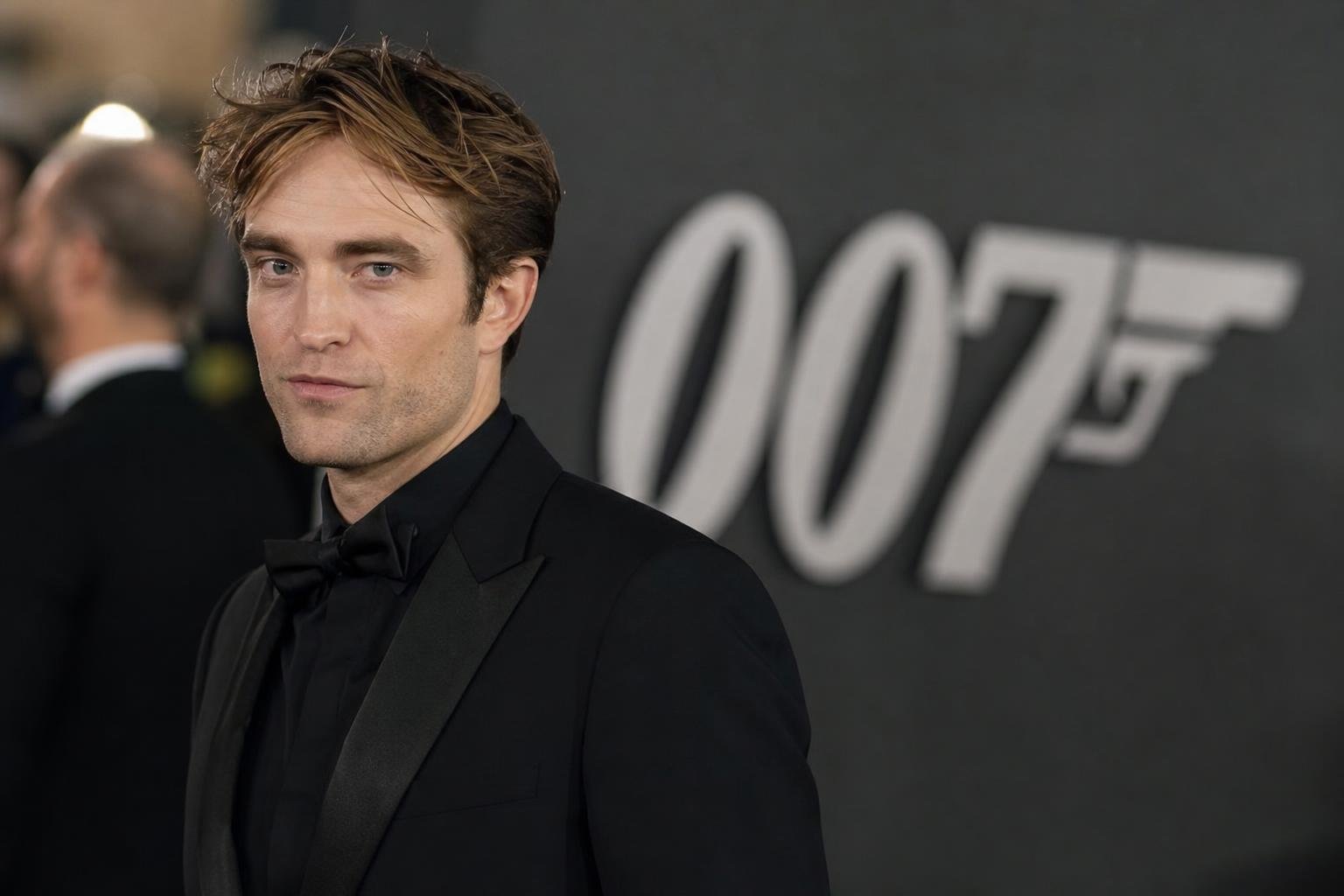

James Bond has a new face, and it belongs to Robert Pattinson. Amazon MGM Studios has confirmed that the actor will succeed Daniel Craig as 007, ending years of speculation about who would inherit one of cinema’s most recognizable roles.
The announcement arrived with a simple teaser: Pattinson looking directly into the camera with a pistol in hand, alongside the words “Identity Confirmed.” The message concluded with “James Bond Will Return,” a deliberately spare reveal for a franchise that has spent much of the post-Craig era defined by waiting.
Pattinson will become the seventh actor to portray Bond in the official film series. Craig’s final appearance, No Time to Die, was released in 2021, meaning the character has remained absent from theaters while Amazon and the franchise’s longtime producers determined what came next.
For fans, the announcement is more than routine casting news. Bond is not simply a character being recast; he is a cultural tradition repeatedly reshaped by changing actors, filmmakers and audience expectations.
A new Bond arrives with a distinctly modern résumé
Pattinson’s career makes him an unusually flexible choice for the role. He became internationally famous through the Twilight films, but his work since then has moved between large studio productions and challenging independent movies. His credits include The Batman, Christopher Nolan’s Tenet, The Lighthouse, Good Time and Mickey 17, among other projects.
That range matters because Bond requires two seemingly conflicting qualities. The actor must be credible as a global action hero, but he also needs enough interiority to make the spy feel like a person rather than a collection of tailored suits, gadgets and one-liners. Pattinson has already demonstrated that he can operate inside a major franchise while choosing stranger, less predictable material elsewhere.
He also brings a different cultural association to the character than his predecessors. Sean Connery established Bond’s original cinematic template, Roger Moore pushed the character toward flamboyant wit, and Daniel Craig rebuilt him as a bruised, emotionally exposed action protagonist. Pattinson’s version will inevitably be judged against all of them, but it does not need to imitate any of them to work.
Villeneuve and Knight will define the next chapter
The creative team surrounding Pattinson is just as important as the casting. Denis Villeneuve will direct the 26th official Bond film, with Steven Knight writing the screenplay. Villeneuve’s filmography includes Arrival, Blade Runner 2049 and the Dune films, while Knight is best known for creating Peaky Blinders.
That combination suggests a Bond film interested in atmosphere and character as much as spectacle, although no plot or stylistic details have been announced. Villeneuve has spoken publicly about his long-standing affection for the series and the responsibility of working with a character he considers important. Knight has similarly described writing Bond as a long-held ambition.
The pairing also reflects the scale of the challenge facing the new film. Bond has to feel recognizable without becoming a museum piece. The series has always borrowed from its own history, but each successful era has found a way to make the character feel connected to the present rather than trapped in the past.
Amazon’s control changes the franchise’s business story
The Pattinson announcement is also the first major casting statement from a new corporate chapter. Amazon acquired MGM in 2021, bringing the studio’s properties, including Bond, under its ownership. In 2025, Amazon reached an agreement with longtime franchise stewards Barbara Broccoli and Michael G. Wilson that gave Amazon greater creative control over the character’s future.
That shift does not erase the influence of the producers who protected Bond’s identity for decades, but it changes the commercial context around the films. The 007 series has traditionally been treated as a theatrical event with a carefully managed identity. Amazon, meanwhile, is also a major streaming company with a global distribution platform and an expanding interest in long-running entertainment properties.
The challenge will be to expand Bond’s reach without making the character feel like another interchangeable franchise asset. Audiences may accept a new actor, director and writer, but they are likely to be less forgiving if the film appears designed primarily as corporate content rather than as a distinct cinematic occasion.
The car still matters
Automobiles have always been part of Bond’s public identity. The cars are not merely transportation between action scenes; they help communicate where a particular version of the character sits in the culture. The Aston Martin DB5 became inseparable from Bond’s image, while later films used increasingly sophisticated vehicles to reflect changing ideas about luxury, technology and performance.
That makes the choice of Pattinson’s Bond car an early point of interest, even though no vehicle has been announced. The right car can establish the character before he says a word. It can suggest restraint or excess, old-world elegance or cutting-edge capability, and it can connect a new film to the franchise’s history without forcing the story to repeat it.
For a closer look at one of the most important cars in Bond history, Motor1 examines the Aston Martin DB5 associated with 007.
There is still plenty left to discover
Amazon MGM has not announced the film’s title or an exact release date. The available reporting indicates that production is expected to begin in 2027, with a possible theatrical release in 2028, but film schedules can change before cameras roll.
There is also no indication yet of whether this Bond will exist in a direct continuation of Craig’s story or represent a clean new beginning. Craig’s era concluded decisively, giving the filmmakers considerable freedom. They can build a new continuity, move the character into a different historical setting or retain familiar elements while creating a separate interpretation.
That uncertainty is part of the appeal. Bond has survived because the character is stable enough to be recognizable and flexible enough to absorb new ideas. Pattinson’s casting begins another negotiation between tradition and reinvention—one involving not only the actor, but also the film’s tone, technology, supporting characters and inevitably, the car parked outside the casino.
The next 007 film now has its central performer and creative leadership. The long wait is not over yet, but the franchise finally has a direction—and a new face for audiences to argue about.
0 Comments