
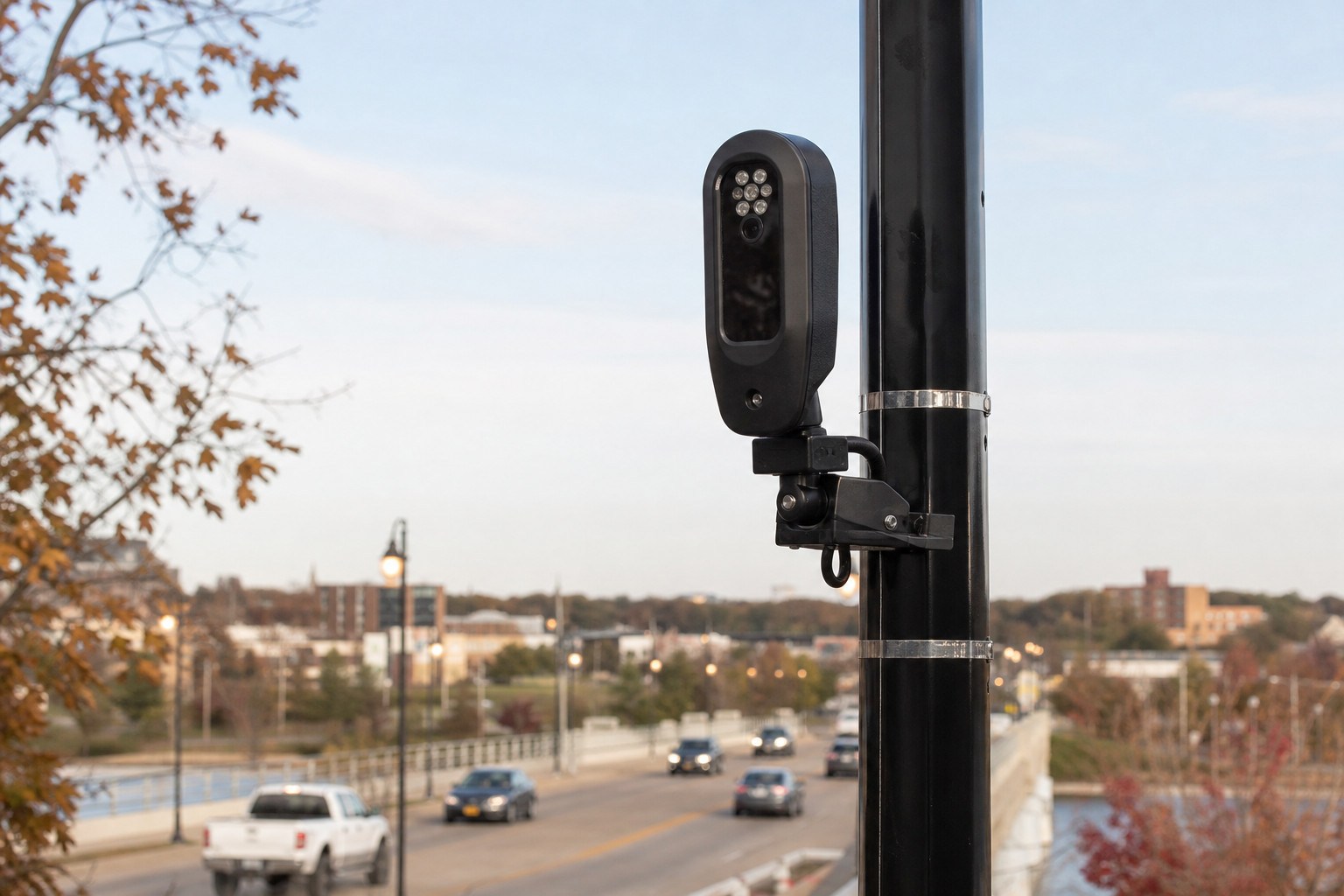

Moline, Illinois, is pausing its fixed automated license plate reader program even though police describe the technology as valuable in investigations ranging from homicides to vehicle thefts. The city’s nine Flock cameras are expected to be deactivated within about 14 days.
The equipment may remain physically in place for another 30 to 60 days while it is removed. Moline officials have characterized the move as a pause rather than a permanent cancellation, leaving open the possibility that the program could return later.
Police cite the system’s investigative value
The Moline Police Department has not said that the cameras failed, and the source material does not identify a local misuse scandal involving the system. Instead, Police Chief Darren Gault said the decision reflects a changing balance between public safety and public confidence, rather than a rejection of license plate reader technology itself.
The department’s own information about its ALPR program describes the cameras as “invaluable” and credits their data with supporting several significant investigations. Those cases include two double homicides in 2024, a Chase Bank robbery, a kidnapping in 2025, a shooting, and an investigation involving payment-card skimmers.
Police also say alerts from the system helped recover stolen vehicles, locate a murder suspect from outside the area, and arrest a suspect while recovering a gun. The examples form the basis for the department’s view that the cameras provided practical investigative assistance.
Privacy concerns drive the pause
Moline officials say the technology, current laws, and public expectations have not developed at the same pace. Mayor Sangeetha Rayapati told KWQC that public opposition was an important factor in the decision, adding that concerns over Flock extend across political lines and have grown after reports of misuse in other locations.
Moline says its cameras collect vehicle information rather than personal details or facial-recognition data. The city also maintains that searches must have a legitimate investigative purpose and are subject to auditing. Those safeguards have not eliminated residents’ concerns about how far the information can travel or who may eventually gain access to it.
The decision comes as other cities across the country cut ties with Flock Safety amid reports involving unauthorized searches, misuse, and broad data sharing. Moline’s approach differs in that officials continue to acknowledge the system’s law-enforcement benefits while suspending its operation.
Because the program has been paused rather than canceled, Moline could reconsider the cameras if stronger privacy protections are developed or public opposition changes. For now, the department’s record of using ALPR data in serious investigations has not outweighed concerns about surveillance and public trust.


0 Comments